Search long enough and you will find the phrase "Dominican tummy tuck" presented as if it were a distinct surgery with its own technique. It is not. The term is a marketing label for an abdominoplasty performed in the Dominican Republic, nothing more.
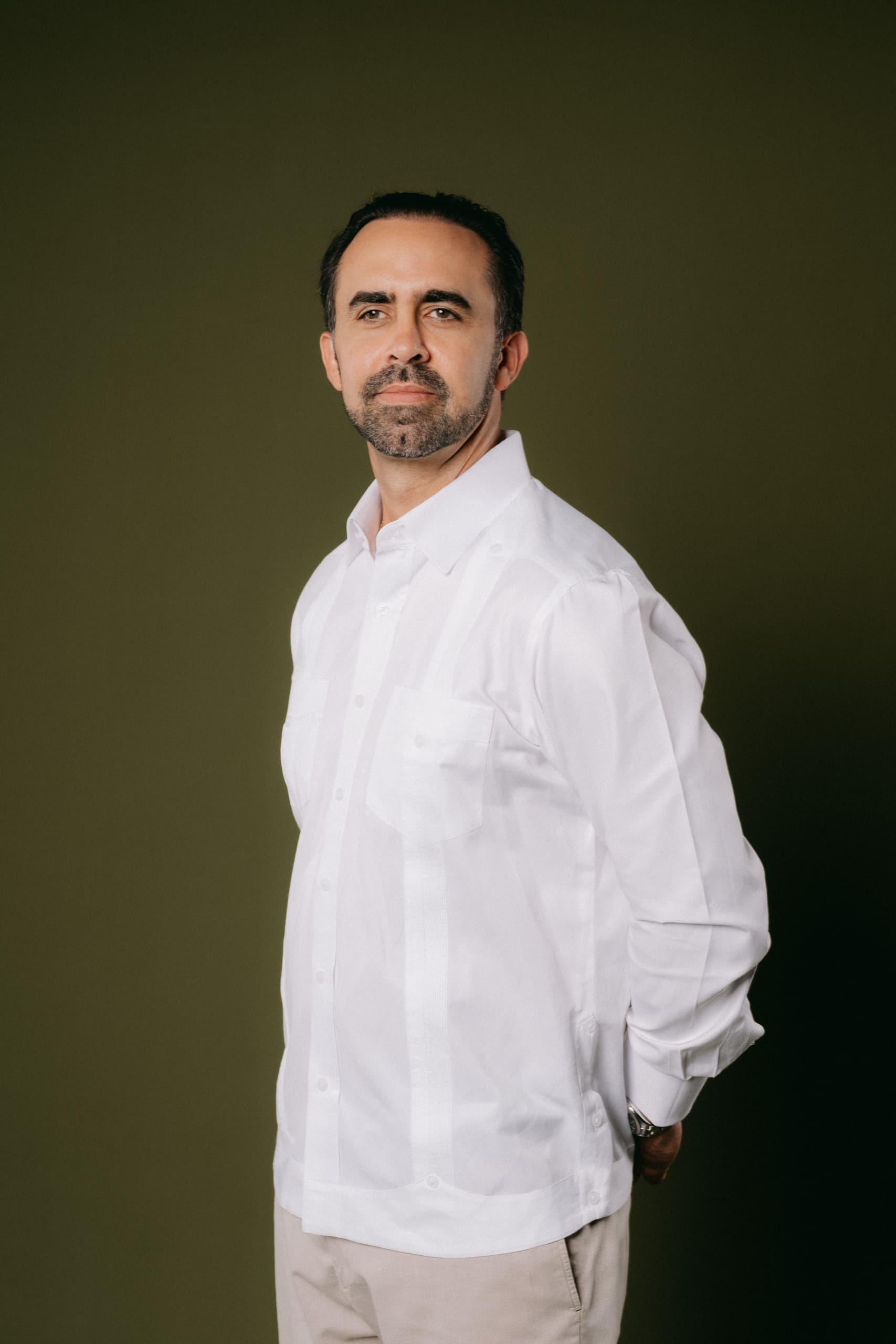
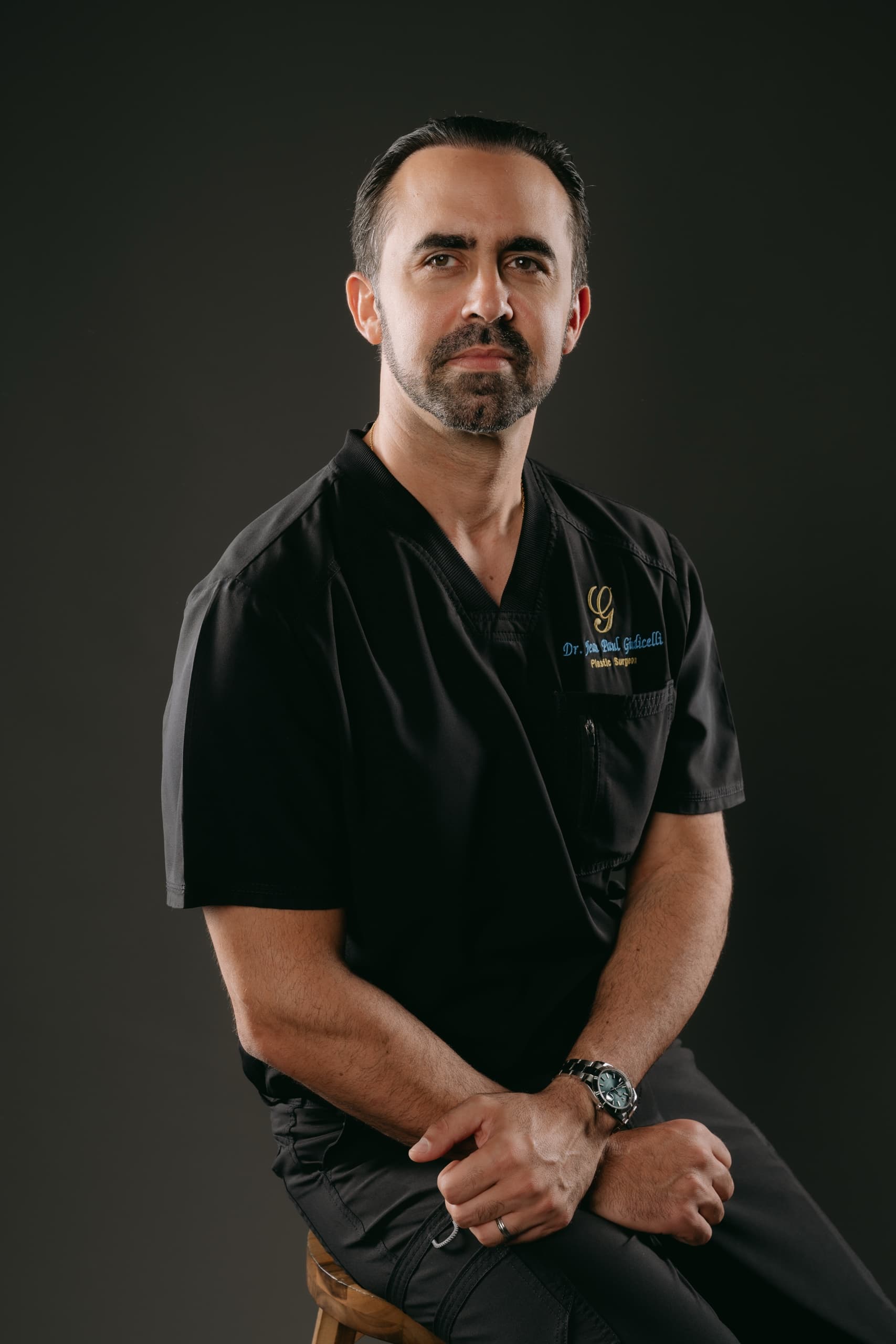
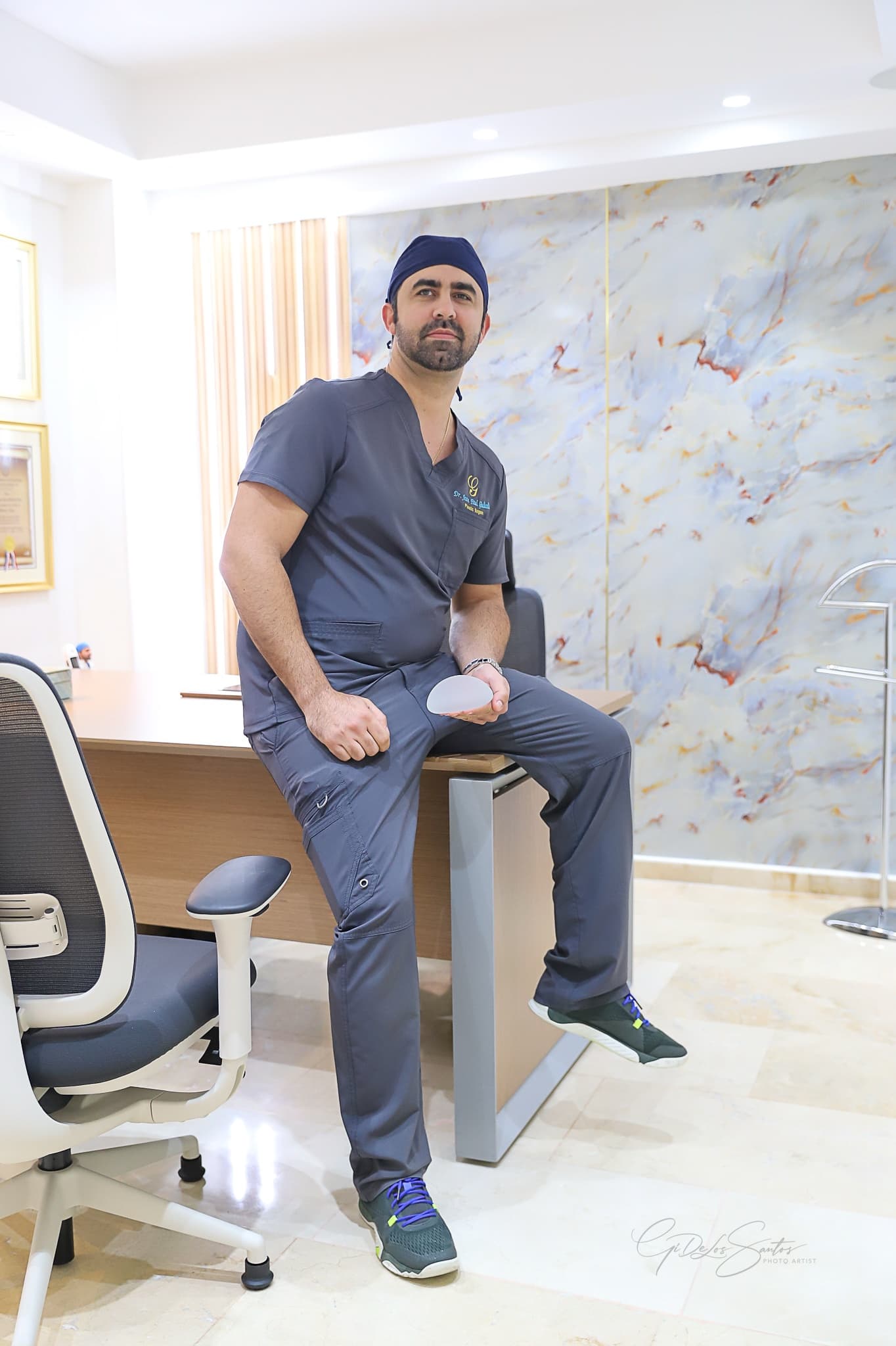
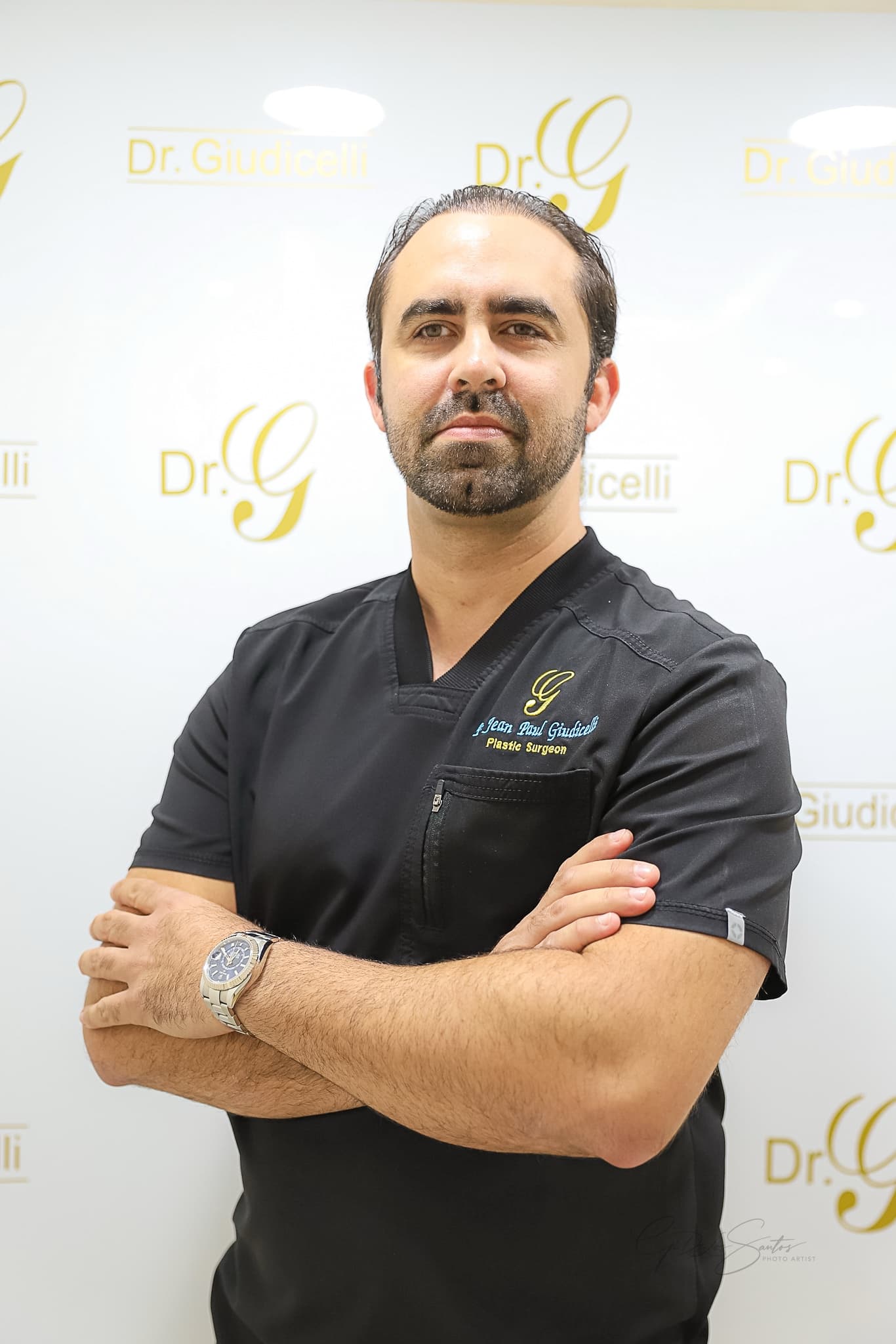
Dr. Jean Paul Giudicelli Saba, board certified plastic surgeon in Santo Domingo, explains what the term actually means, where it comes from, and which claims attached to it are myths.
What does "Dominican tummy tuck" actually mean?
A "Dominican tummy tuck" simply means a tummy tuck performed in the Dominican Republic. The operation itself is the same abdominoplasty taught and practiced worldwide: removal of excess lower abdominal skin, repair of separated abdominal muscles, and repositioning of the navel.
The phrase grew out of medical tourism language, not surgical literature. It describes where you have the surgery and often who markets it, not a different procedure, instrument, or incision. Treat it as a location tag, not a category of operation.
Where does the term come from?
The term comes from search behavior and advertising. The Dominican Republic has become a well-known destination for body contouring, so patients type "Dominican tummy tuck" into search engines, and clinics build pages around that phrase to be found.
That is normal marketing. The problem starts when the label is dressed up as a proprietary technique with special results. A tummy tuck is defined by surgical principles, not by a country name.
Is a Dominican tummy tuck a special technique?
No. A Dominican tummy tuck is not a special technique. The components of a standard full abdominoplasty are consistent regardless of where it is done.
- A horizontal incision low on the abdomen, placed to sit below most underwear and swimwear
- Repair of the abdominal muscles when they have separated
- Removal of excess skin and often some fat
- Repositioning of the navel through a small second incision
What varies between surgeons is judgment, planning, and execution — not a secret method implied by a geographic name.
What is often bundled with it?
In practice, many patients who search for a "Dominican tummy tuck" are actually interested in a combined body contouring result. A tummy tuck is frequently paired with liposuction of the flanks or back to improve overall contour, and in some cases with other procedures as part of a mommy makeover.
Combining procedures can be reasonable, but it increases surgical time and recovery demands. Longer operations carry more risk, which is why the total plan is weighed carefully rather than stacked to fit everything into one session. Each addition is a medical decision, not an upgrade.
What does a tummy tuck repair that liposuction cannot?
A tummy tuck repairs loose skin and separated abdominal muscles. Liposuction removes fat but does nothing for excess skin or muscle separation, so the two procedures solve different problems.
Many patients after pregnancy or significant weight loss have abdominal muscle separation, known as diastasis recti, along with skin that no longer retracts. If you are unsure which issue applies to you, our guide to how a tummy tuck rebuilds separated muscles explains what surgery can and cannot correct.
Myth: a Dominican tummy tuck is cheaper because it is lower quality
Cost differences between the Dominican Republic and the United States come largely from differences in overhead, facility fees, and the broader healthcare system, not from a lower standard of surgery. A lower price is not evidence of a lesser operation, and a higher price is not a guarantee of a better one.
What matters is whether your surgeon is board certified, whether the facility is accredited, and whether a certified anesthesiologist is present. Those factors, not the country, determine safety. Judge the specifics, not the label.
Myth: the scar is somehow different
The scar from a tummy tuck performed in the Dominican Republic is the same kind of scar produced by the same operation anywhere else. Every full tummy tuck leaves a horizontal scar low on the abdomen and a small scar around the navel.
How that scar matures depends on surgical closure, your genetics, skin tone, and aftercare — not on geography. For realistic expectations on healing stages and fading, see our detailed article on what to expect from tummy tuck scars.
Myth: recovery is faster abroad
Recovery from a tummy tuck follows the same biology regardless of where the surgery happens. Most patients stand and walk, bent slightly forward, within the first day, and gradually straighten over the following weeks.
You wear a compression garment for 3 months, and final results become visible around 8–12 months as swelling resolves and tissues settle. No destination shortens how long your body needs to heal.
What recovery in the Dominican Republic really involves
Recovering in the Dominican Republic means staying in the country long enough for early follow-up and the removal of any drains before you travel home. Plan to arrive 2–3 days before surgery and remain for at least 13 days after surgery.
Flying too early raises the risk of blood clots and complications, so the length of stay is a safety requirement, not a formality. Your surgeon clears you for travel based on how you are healing, not a fixed calendar alone.
How to evaluate a tummy tuck in the Dominican Republic
Judge any tummy tuck by concrete details rather than by a catchy phrase. The name of a country tells you nothing about the quality or safety of your specific operation.
- Is the surgeon board certified in plastic surgery?
- Is the procedure performed in an accredited surgical facility?
- Is a certified anesthesiologist managing your anesthesia?
- Does the plan match your anatomy rather than a one-size package?
- Are the risks explained honestly during a thorough consultation?
When to contact your surgical team
After any tummy tuck, certain signs warrant prompt contact with your surgical team or urgent medical attention. Pain that increases instead of easing, fever, spreading redness, sudden one-sided swelling, chest pain, shortness of breath, or calf pain and swelling are all reasons to reach out right away.
Every patient heals differently, and your plan is individual. A reliable surgeon gives you a way to reach the team and expects you to use it when something feels wrong.
Frequently Asked Questions
Is a Dominican tummy tuck a different surgery from a regular tummy tuck?
No. A Dominican tummy tuck is a standard abdominoplasty performed in the Dominican Republic. The term describes location and marketing, not a distinct surgical technique, incision, or result.
Why is a tummy tuck less expensive in the Dominican Republic?
Lower cost generally reflects differences in overhead and the healthcare system, not a lower standard of care. Safety depends on board certification, an accredited facility, and a certified anesthesiologist — the same standards that matter anywhere.
How long do I need to stay in the Dominican Republic after a tummy tuck?
Plan to arrive 2–3 days before surgery and stay at least 13 days after surgery. This allows early follow-up and drain removal before you fly, which reduces the risk of travel-related complications.
Will my scar look worse because the surgery was done abroad?
No. The scar is the same type produced by any full tummy tuck. How it matures depends on closure technique, your genetics, skin tone, and aftercare, not on the country where the surgery was performed.
Can I combine a tummy tuck with liposuction?
Often, yes. A tummy tuck is frequently paired with liposuction of the flanks or back to refine contour. Combining procedures increases surgical time and recovery demands, so the full plan is assessed individually for safety.
Planning your procedure
A "Dominican tummy tuck" is best understood as a standard abdominoplasty you choose to have in Santo Domingo, Dominican Republic. The quality of your result comes from your surgeon, your facility, and your plan — not from a label.
Schedule your free virtual consultation today. Contact us via WhatsApp or visit drgiudicelli.com.