Bloodwork before plastic surgery is one of the least discussed parts of the process and one of the most important. It is the step that confirms, on paper, that your body can handle anesthesia and heal a surgical wound.
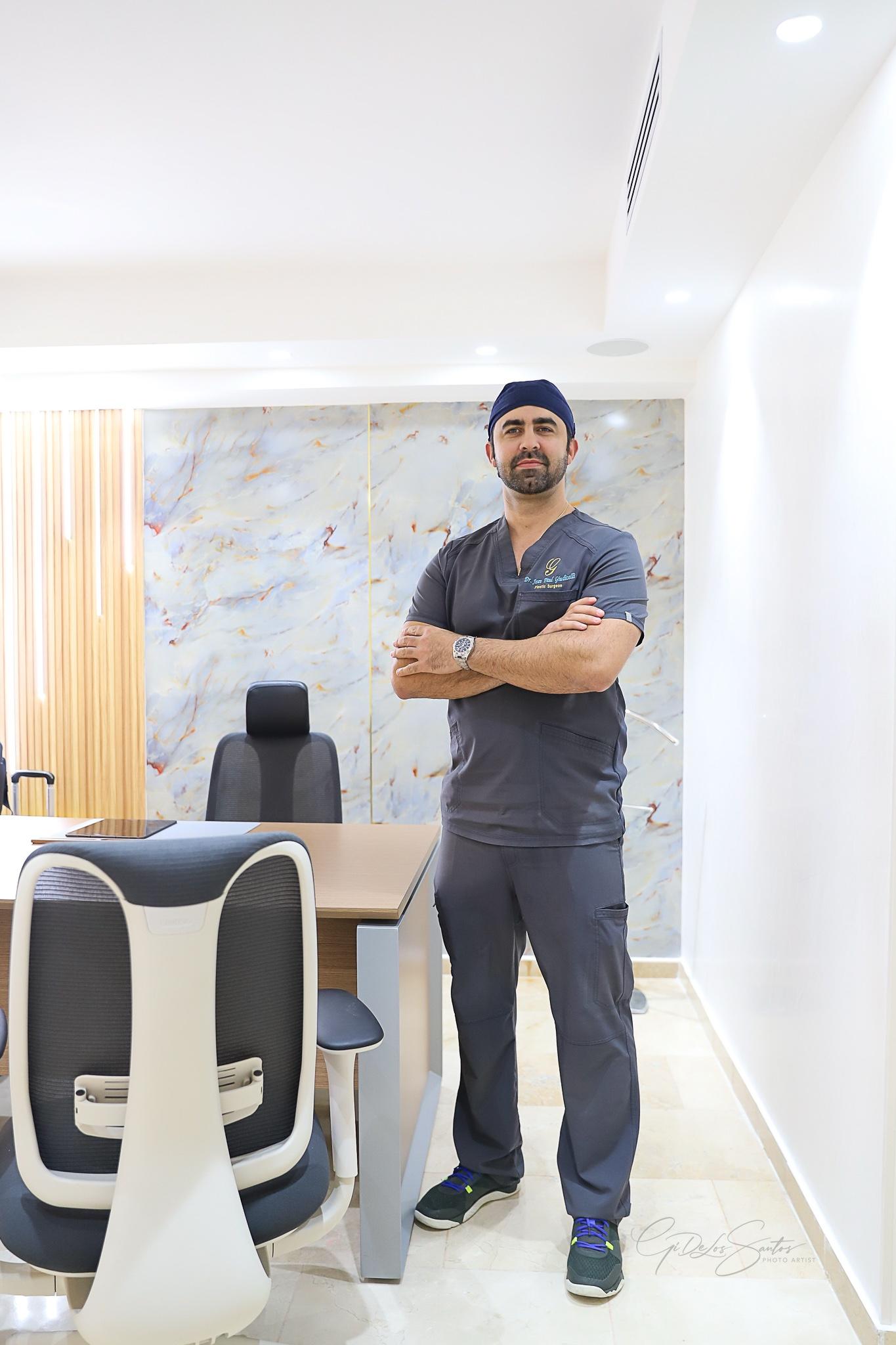
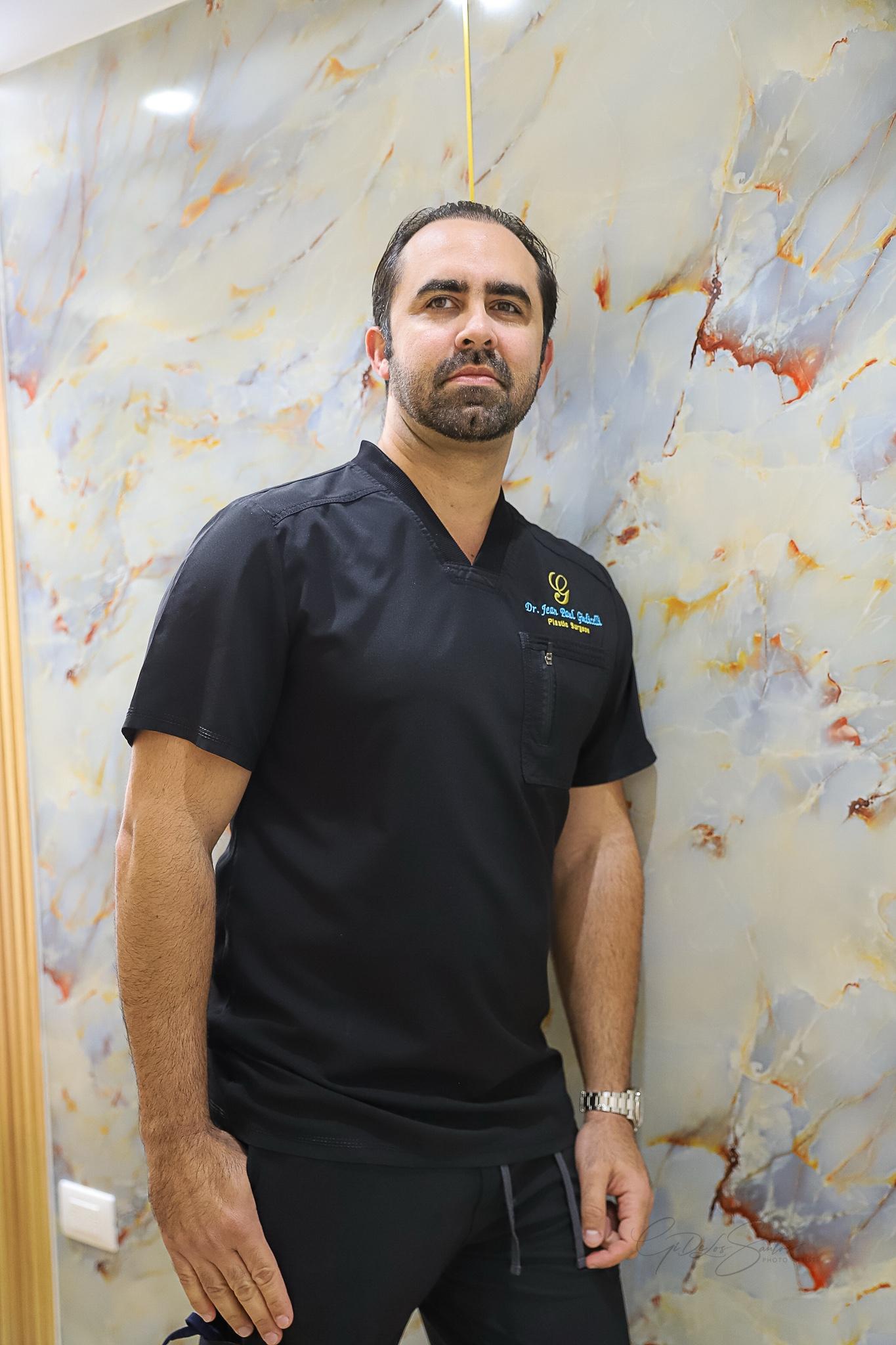
Dr. Jean Paul Giudicelli Saba, board certified plastic surgeon in Santo Domingo, explains what pre-operative bloodwork checks, why your hemoglobin matters, and how your health history shapes whether surgery goes ahead.
What is pre-op bloodwork for plastic surgery?
Pre-op bloodwork is a set of laboratory tests done before surgery to confirm you are healthy enough to undergo anesthesia and recover well. It is standard for anyone having plastic surgery in the Dominican Republic, and it is requested before you travel, not after you arrive.
The purpose is simple: surgery is a controlled injury, and your body needs enough reserve to tolerate it. Bloodwork turns a verbal "I feel healthy" into measurable numbers that your surgeon and anesthesiologist can check.
Which blood tests are usually ordered?
Most elective body contouring and breast procedures require a core panel of tests. The exact list depends on your age, your medical history, and the surgery planned.
- Complete blood count (CBC): measures hemoglobin, red cells, white cells, and platelets
- Coagulation tests: check how well your blood clots
- Blood glucose: screens for diabetes or poorly controlled blood sugar
- Metabolic and kidney markers: confirm your organs can process anesthesia and medications
- Blood type: on file in case a transfusion is ever needed
- Infectious disease screening: standard for surgical safety
- Pregnancy test: for patients where it applies
Dr. Giudicelli reviews your full panel before clearing you for surgery, and the anesthesiologist reviews it again on surgery day.
Why does hemoglobin matter so much?
Hemoglobin is the protein in red blood cells that carries oxygen, and it is one of the single most important numbers before surgery. Healing tissue needs oxygen, and you also lose some blood during any operation. If your hemoglobin starts too low, you have less margin to spare.
A low hemoglobin level, called anemia, is common and often unnoticed. Many patients feel fine while running low, particularly women with heavy menstrual periods or those on restrictive diets. Procedures like liposuction, Lipo 360, a Brazilian butt lift (BBL), or a tummy tuck involve more blood loss than smaller operations, so adequate hemoglobin matters even more for them.
When hemoglobin is low, surgery is usually postponed rather than canceled. Anemia from iron deficiency often corrects in a few weeks with the right treatment, after which you are cleared to proceed.
Why does your health history matter?
Your health history matters because your blood numbers only tell part of the story. A normal hemoglobin does not override an uncontrolled medical condition, and an honest history lets your surgeon interpret your results in context.
During your evaluation, Dr. Giudicelli asks about chronic conditions, past surgeries, reactions to anesthesia, current medications, supplements, and family history of clotting or bleeding problems. Leaving something out does not help you get the surgery. It removes the surgeon's ability to keep you safe.
What conditions does bloodwork help uncover?
Bloodwork combined with your history can surface issues that change the surgical plan. Most are manageable once identified.
- Anemia: low hemoglobin that needs correcting before surgery
- Undiagnosed or poorly controlled diabetes: high blood sugar slows healing and raises infection risk
- Clotting disorders: either a tendency to bleed or a tendency to form dangerous clots
- Kidney or liver issues: which affect how anesthesia and medications are processed
- Thyroid problems: which can influence healing and anesthesia
Finding one of these before surgery is a good outcome. It means the problem is handled on your terms rather than discovered as a complication.
How does bloodwork relate to blood clot risk?
Coagulation testing and your history together help assess your risk of blood clots, one of the more serious complications in body contouring surgery. A personal or family history of deep vein thrombosis changes how your case is managed before, during, and after the operation.
This screening works alongside the physical measures used during surgery and recovery, which are covered in detail in Blood Clots After Plastic Surgery. The lab results and the preventive steps are two halves of the same safety plan.
When should bloodwork be done before surgery?
Bloodwork is typically done in the weeks before your surgery date, not on the day itself. Doing it in advance leaves time to correct anything that comes back abnormal, which is exactly why it is requested before you book flights.
Many results stay valid for a limited window, so your tests are timed to be current on your surgery date. Dr. Giudicelli's team tells you which tests to arrange, when to do them, and how to send the results for review. If anything needs attention, you learn before you travel rather than after.
What happens if a result comes back abnormal?
An abnormal result usually means surgery is delayed, not refused permanently. Most issues found on pre-op bloodwork are temporary and correctable: low iron is treated, blood sugar is brought under control, a medication is adjusted in coordination with your own physician.
Some findings are more significant and need fuller evaluation first. The guiding principle is that surgery proceeds only when your numbers support a safe recovery. For more on the reasons an operation may be postponed, see Why Some Patients Are Told No.
How do you prepare for accurate results?
You can help your bloodwork reflect your true baseline with a few steps. Follow any fasting instructions you are given, since blood glucose and some other values are affected by recent food. Stay hydrated, as dehydration can distort certain readings.
Tell the team about every supplement you take, because some, including fish oil and certain herbal products, affect bleeding and clotting. Mention your menstrual cycle if heavy periods are an issue for you, since that is a common and treatable cause of low hemoglobin. Preparing well is part of the wider pre-op process described in How to Prepare for Plastic Surgery Abroad.
Frequently Asked Questions
Is bloodwork always required before plastic surgery?
Yes, pre-operative bloodwork is standard for elective plastic surgery with Dr. Giudicelli. It confirms you can tolerate anesthesia and heal safely, and it is reviewed both before you travel and again by the anesthesiologist on surgery day.
Can I have surgery if I am anemic?
Usually not until the anemia is corrected. Low hemoglobin reduces your margin for safe blood loss and healing, so surgery is typically postponed while the cause is treated. Iron-deficiency anemia often improves within a few weeks, after which you can be cleared.
Where do I get my bloodwork done if I live abroad?
Most international patients have their bloodwork done at a local lab in their home country and send the results for review before traveling. Dr. Giudicelli's team tells you which tests are needed and when to schedule them so the results are current on your surgery date.
How long are pre-op blood tests valid?
Pre-op blood tests are valid for a limited window, which is why they are timed close to your surgery date. Your team will tell you exactly when to have them drawn so the results are current when you arrive in Santo Domingo.
Planning your procedure
Bloodwork is where a safe surgical plan begins, long before the operating room. Your free virtual consultation covers your health history, which tests you will need, and how to send your results for review so that nothing is left to surgery day.
Schedule your free virtual consultation today. Contact us via WhatsApp or visit drgiudicelli.com.