The phrase "Dominican BBL" gets used as if it describes a specific operation. It does not. It describes a reputation, a shape patients associate with the country, and a good deal of marketing built on top of both.
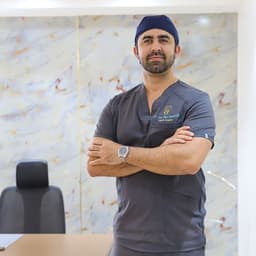
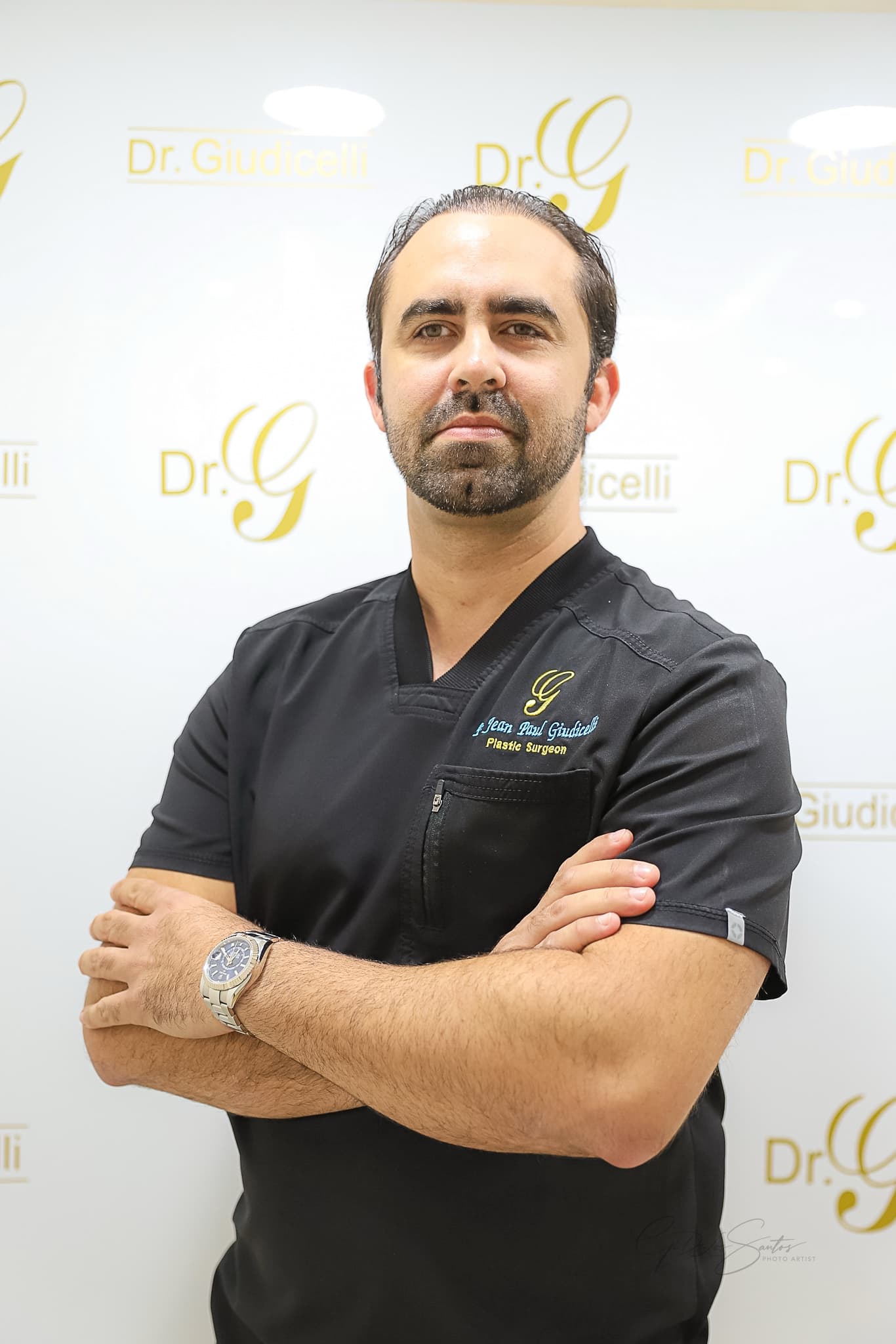
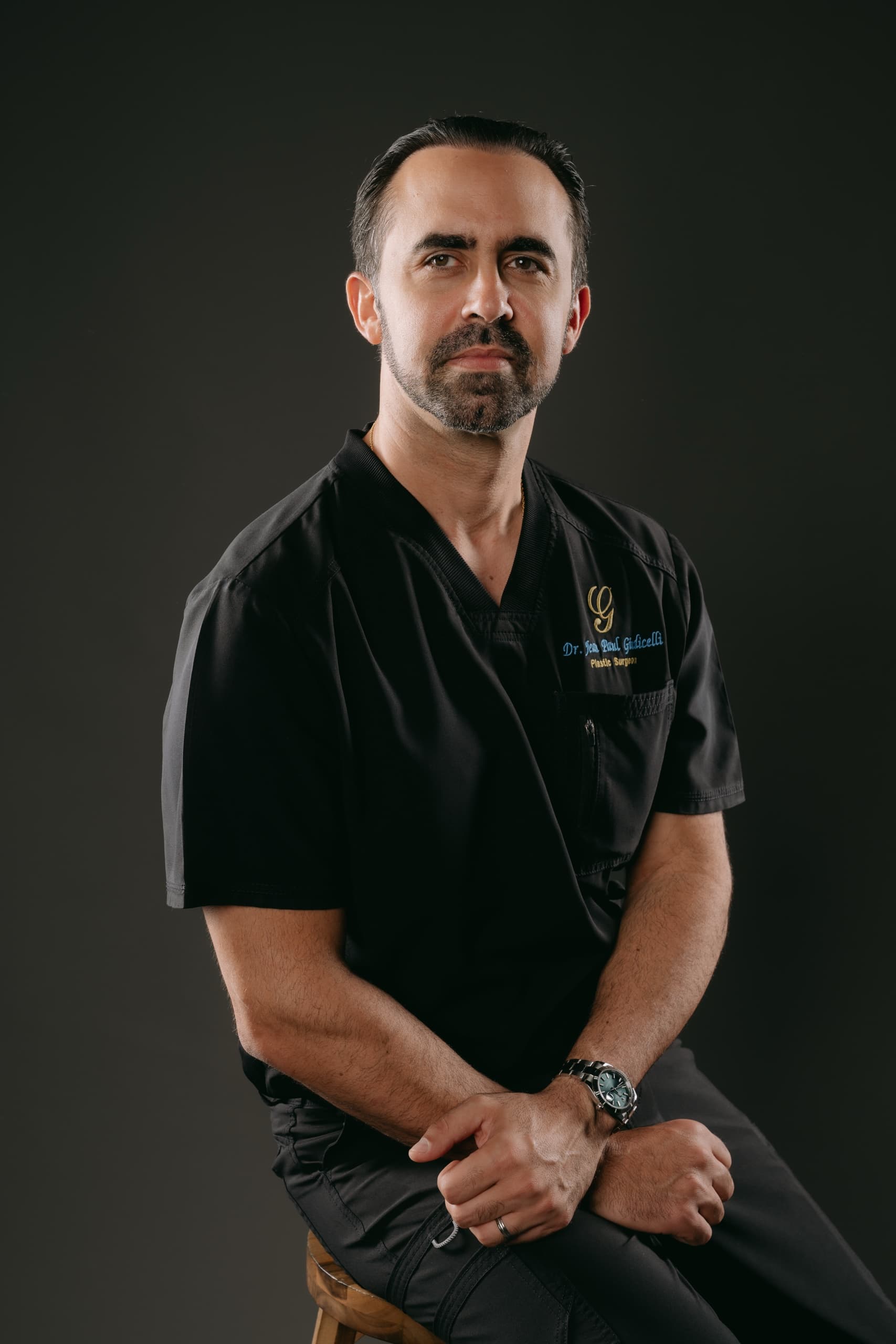
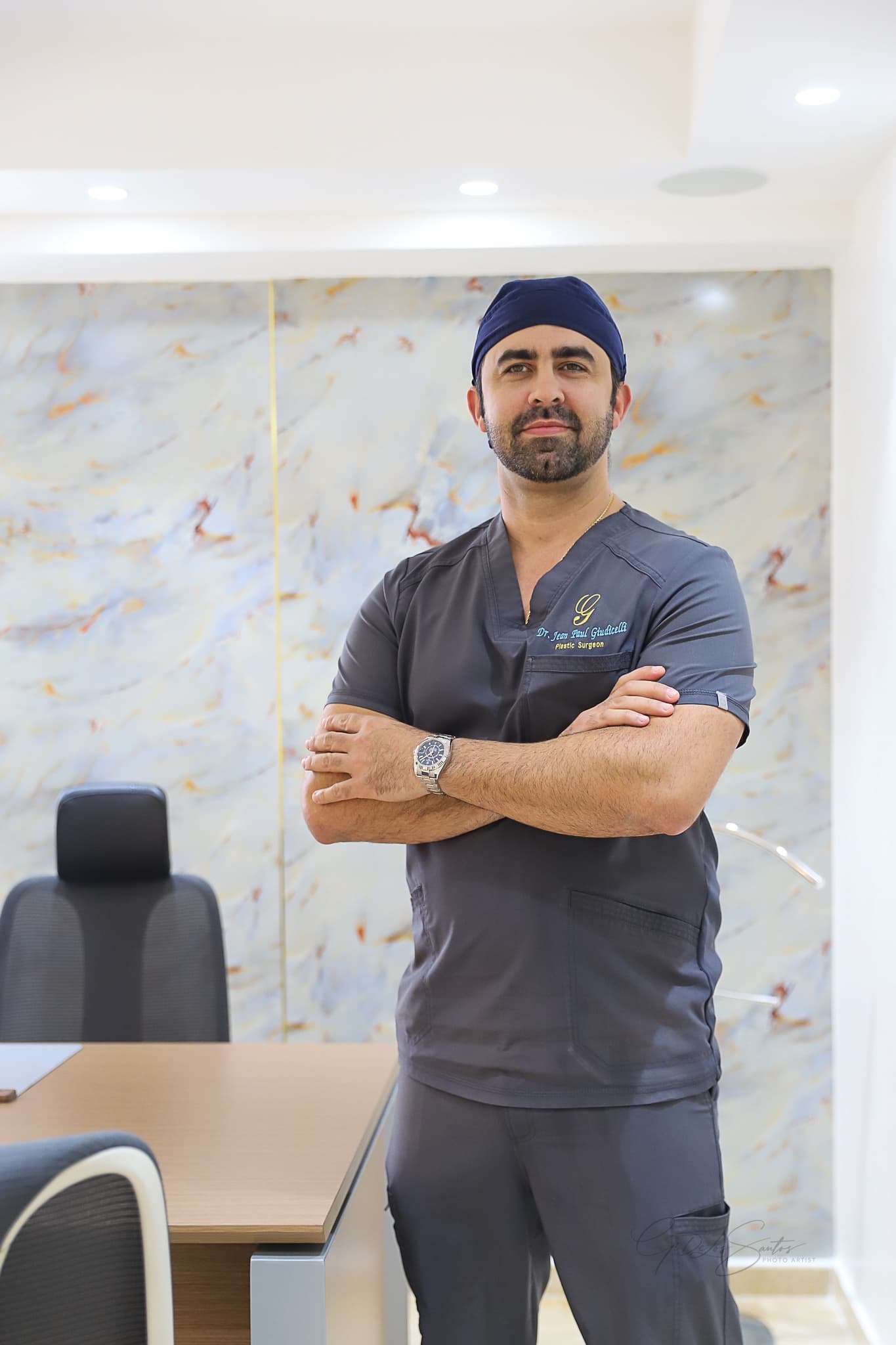
Dr. Jean Paul Giudicelli Saba, board certified plastic surgeon in Santo Domingo, explains what the term actually means, what the technique involves, and which parts are myth.
What is a "Dominican BBL"?
A "Dominican BBL" is a marketing name, not a distinct surgical procedure. The underlying operation is a Brazilian butt lift (BBL), which removes fat from areas like the abdomen, flanks, and back through liposuction and reinjects a portion of it into the buttocks. The word "Dominican" refers to where it is performed and to a particular aesthetic associated with the region, not to a different technique or a different pair of hands.
The surgery done in Santo Domingo follows the same principles taught and practiced internationally. What varies between surgeons anywhere is judgment, training, and safety standards, not nationality.
Is the technique actually different?
The core technique of a Brazilian butt lift (BBL) is the same whether it is performed in Santo Domingo, Miami, or anywhere else. Fat is harvested with liposuction, processed, and reinjected into the buttock. The critical rule, shared by careful surgeons worldwide, is that fat is placed above the muscle in the subcutaneous layer and never into the deep muscle, because deep injection near large veins is the main cause of serious BBL complications.
What people perceive as a "Dominican" method is usually an aesthetic preference rather than a separate operation. The instruments, the layers, and the safety limits do not change with the name.
What shape does a Dominican BBL aim for?
The shape commonly associated with a Dominican BBL is a dramatic, curvy silhouette: a narrow waist, full hips, and a projected, rounded buttock. This look relies as much on aggressive waist and flank liposuction as it does on the fat added to the buttock, because contrast is what creates the illusion of curves.
Not every patient wants or suits that shape, and not every body can achieve it. A natural, athletic result and a very curvy result are both legitimate goals. Your anatomy, your existing fat distribution, and your skin quality determine what is realistic for you.
Why does the name exist?
The name exists because the Dominican Republic became a well-known destination for body contouring, and a recognizable aesthetic developed alongside that reputation. Social media did the rest, turning a location and a style into a brand that gets attached to clinics and surgeons for marketing.
A brand name is not a credential. When you read "Dominican BBL," look past the phrase and ask the questions that actually matter: who is operating, where, and under what safety standards. For help with that, our guide on BBL safety in the Dominican Republic covers what to verify before you book.
Myth: bigger is always better
Bigger is not always better, and it is not always safe. The amount of fat that can be transferred is limited by how much fat you have to harvest and by how much the buttock tissue can accept while still receiving a blood supply. Overfilling does not create a better result; it increases the risk that transferred fat will not survive.
A realistic plan accepts these limits. Pushing for maximum volume in a single session is one of the areas where an honest surgeon will say no.
Myth: all the transferred fat stays
Not all transferred fat survives, and this is normal and expected. After a Brazilian butt lift (BBL), a portion of the injected fat is reabsorbed by the body over the first few months, while the fat that establishes a blood supply becomes permanent living tissue.
This is why early fullness is larger than the final result, and why surgeons account for some loss when planning. For how the result settles and holds over time, see our article on how long a BBL lasts.
Who is a candidate?
A good BBL candidate has enough donor fat to harvest, reasonable skin elasticity, stable weight, and realistic expectations. Very lean patients may not have enough fat for a meaningful transfer, and significant weight changes after surgery can alter the result in either direction.
Candidacy is assessed individually. A virtual consultation with photographs and a medical history is where your surgeon determines whether the shape you want is achievable with your anatomy, or whether a different plan fits you better.
How long do you stay in the country?
Plan to stay in Santo Domingo for at least 13 days after surgery, arriving 2 to 3 days before your procedure for pre-operative testing and evaluation. This window allows for your initial recovery, follow-up appointments, and clearance before you travel home.
Leaving too early means missing follow-up care and flying before it is advisable. The stay is built around your safety, not convenience, and the timeline should be treated as a minimum rather than a target to beat.
What does recovery involve?
BBL recovery centers on protecting the newly transferred fat while it establishes a blood supply. You avoid sitting directly on your buttocks for a period after surgery, using a cushion under the thighs when you must sit, and you sleep on your stomach or side.
You wear a compression garment for 3 months to support the liposuction areas and help reduce swelling. Light walking starts early to lower the risk of blood clots, while strenuous activity is reintroduced gradually as directed by your surgeon.
When do you see the final result?
Final BBL results are visible at 8 to 12 months. Before then, swelling from liposuction and the natural reabsorption of some transferred fat mean the shape you see is not yet the shape you will keep.
Patience during this period matters. Judging your outcome at a few weeks, when swelling is still significant, gives a misleading picture of the result.
Warning signs to take seriously
Certain symptoms after a BBL need prompt attention. Contact your surgical team or seek medical care for fever, spreading redness, increasing rather than decreasing pain, foul-smelling drainage, or swelling on one side only.
Chest pain, shortness of breath, or calf pain and swelling require immediate emergency care. Your team gives you a way to reach them for exactly these situations, and using it early is always the right call.
Frequently Asked Questions
Is a Dominican BBL a special type of surgery?
No. A Dominican BBL is a marketing name for a standard Brazilian butt lift performed in the Dominican Republic. The surgical technique follows the same international principles; the name refers to the location and a popular aesthetic, not a different operation.
Is a BBL done differently in the Dominican Republic?
The technique is the same as elsewhere when performed by a qualified surgeon: fat is placed above the muscle, never deep into it. Safety depends on the surgeon's training and the facility, not on the country or the brand name attached to the procedure.
Can I choose how curvy my result is?
To a point. Your surgeon can aim for a natural or a curvier shape, but your donor fat, skin elasticity, and anatomy set the limits of what is realistic. This is discussed and planned during your consultation.
How long until I can sit normally?
You avoid sitting directly on your buttocks for several weeks and use a cushion under your thighs when needed. Your surgeon gives you specific guidance based on your recovery, as sitting too soon can compress and reduce the transferred fat.
Planning your procedure
A Dominican BBL is a standard Brazilian butt lift with a memorable name. What should guide your decision is the surgeon, the facility, and an honest plan for your anatomy, assessed individually in consultation.
Schedule your free virtual consultation today. Contact us via WhatsApp or visit drgiudicelli.com.