Many women do everything right after pregnancy — eat well, train their core, lose the weight — and still have a belly that bulges. The cause is usually diastasis recti, and diastasis recti repair is the only thing that closes it — no amount of exercise will.
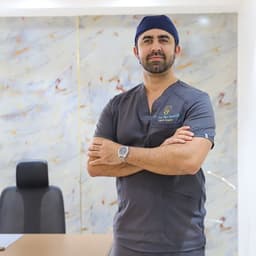
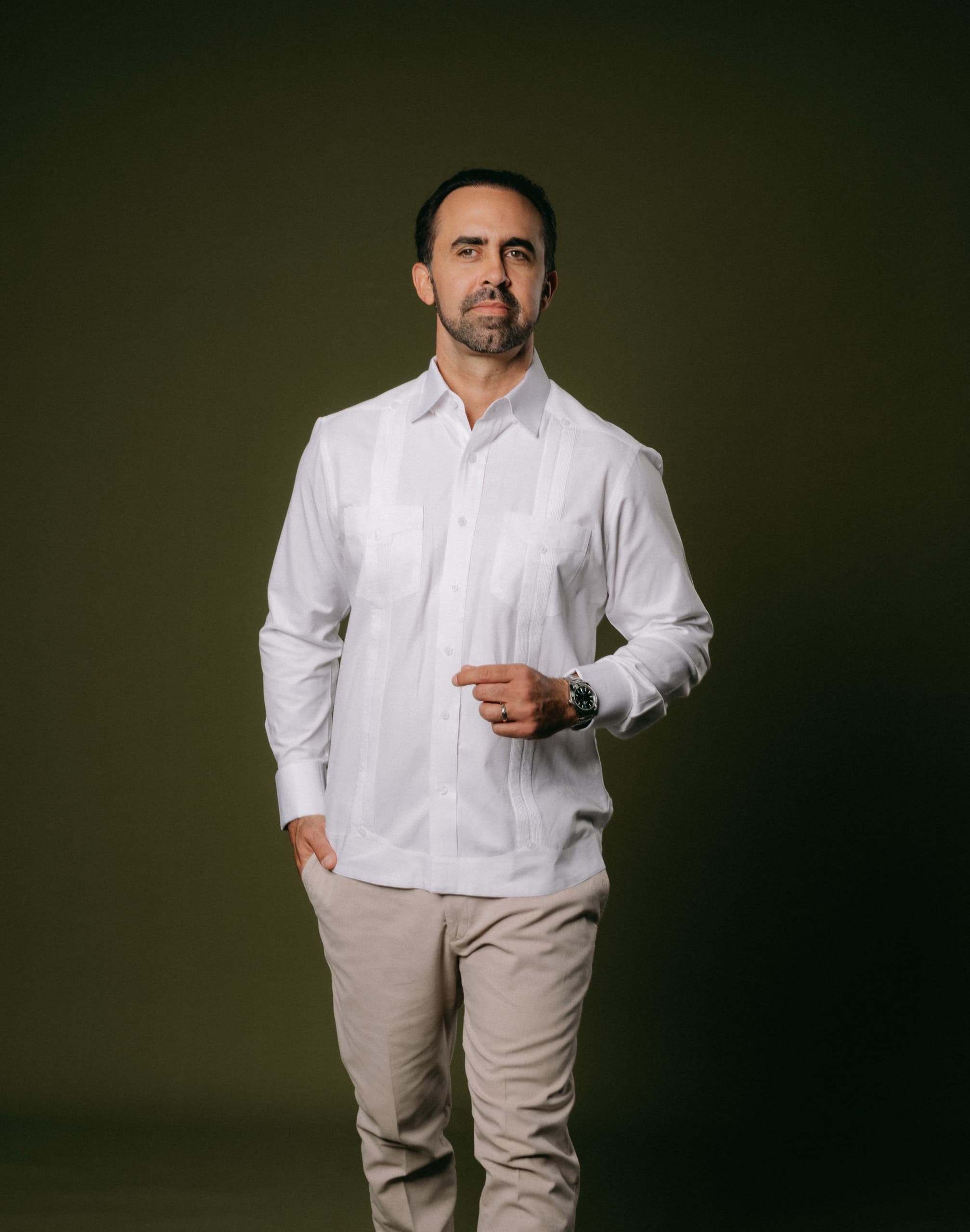
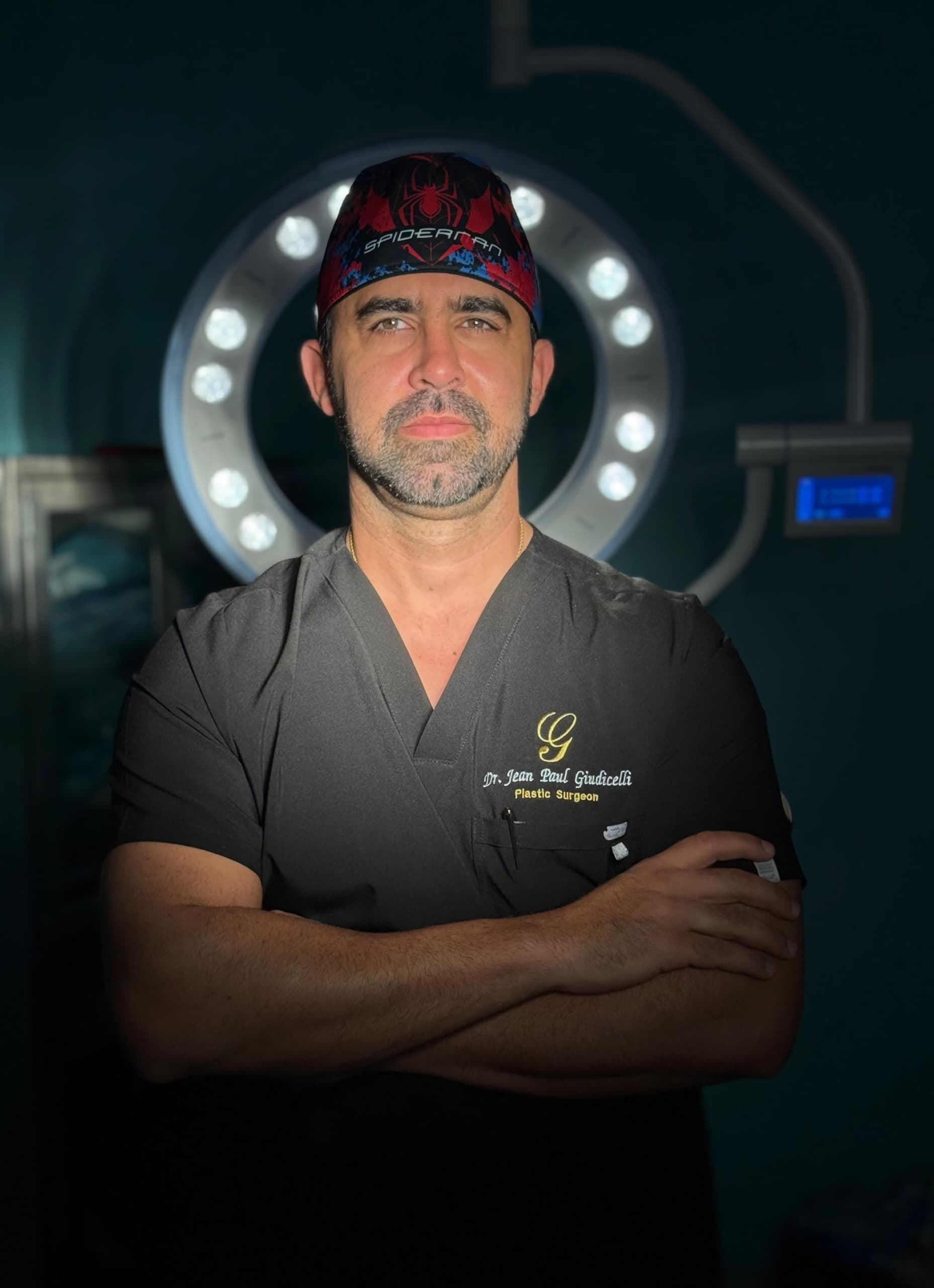
Dr. Jean Paul Giudicelli Saba, board certified plastic surgeon in Santo Domingo, explains what diastasis recti repair is, who needs it, and how a tummy tuck restores the abdominal wall.
What is diastasis recti?
Diastasis recti is a separation of the two vertical bands of abdominal muscle (the rectus abdominis) that run down the front of your belly. These muscles are connected by a thin band of connective tissue called the linea alba. When that tissue stretches and thins, the muscles drift apart and the midline can no longer hold the abdomen flat.
The result is a bulge or doming down the center of the stomach, most visible when you sit up or strain. For many patients it also brings a weak core, lower back discomfort, and a stomach that looks pregnant long after any pregnancy.
What causes diastasis recti?
Diastasis recti is most often caused by pregnancy, when the growing uterus stretches the abdominal wall from the inside. It is especially common after multiple pregnancies, carrying twins, or carrying a large baby. The connective tissue does not always recoil afterward.
Pregnancy is not the only cause. Significant weight gain, repeated heavy lifting with poor technique, and some congenital factors can also separate the muscles. Men develop diastasis recti too, usually from weight gain rather than pregnancy.
Why won't exercise fix it?
Exercise cannot close diastasis recti because the problem is stretched connective tissue, not weak muscle. Crunches, planks, and core workouts strengthen the muscle bellies, but they do not pull the separated linea alba back together. In some cases aggressive abdominal exercises done with poor form make the bulge look worse.
This is the hardest part for patients to accept. You can be fit, lean, and strong and still have a visible separation, because the gap is structural. Restoring the midline requires stitching the muscle edges back together surgically.
How does a tummy tuck repair diastasis recti?
A tummy tuck repairs diastasis recti by suturing the separated rectus muscles back to the midline, rebuilding a firm, continuous abdominal wall. During the procedure, Dr. Giudicelli lifts the skin off the abdominal muscles, identifies the gap, and places a line of internal permanent sutures that cinch the two muscle bands together from the breastbone down toward the pubic bone.
This internal repair is often called an abdominal plication. It tightens the core like closing a corset from the inside. Only after the muscle wall is reinforced does the surgeon remove excess skin and reposition the navel. The muscle repair — not the skin removal — is what flattens the dome and narrows the waist.
How do I know if I have diastasis recti?
You can often feel diastasis recti with a simple self-check. Lie on your back with your knees bent, place your fingers just above or below your belly button, and lift your head and shoulders slightly as if starting a crunch. If your fingers sink into a soft gap between two firm ridges of muscle, that gap is likely a separation.
A self-check is a starting point, not a diagnosis. Dr. Giudicelli evaluates the width and length of the separation, the quality of your skin, and the amount of excess tissue during your consultation, because the plan depends on all three.
Diastasis repair alone, or a full tummy tuck?
Diastasis recti repair and skin removal usually go together, because the patients who have muscle separation often also have stretched skin from the same pregnancy or weight change. Tightening the muscle without addressing loose skin can leave the abdomen flatter but still wrinkled or hanging.
The right version depends on your anatomy. Some patients need only a limited repair; others need a full abdominoplasty. If your separation and loose skin sit mostly below the navel, a shorter procedure may be enough — a decision covered in mini tummy tuck vs. full tummy tuck. Dr. Giudicelli will tell you honestly which approach fits.
What does recovery look like?
Recovery from diastasis recti repair takes time because the internal sutures need to hold while the muscle wall heals. For the first one to two weeks, most patients walk bent slightly forward and avoid any strain on the abdomen. Lifting, bending, and core engagement are off limits in the early phase, since tension on fresh muscle sutures is the main thing that can compromise the repair.
Most patients return to light daily activity within two to four weeks and to full exercise, including core work, around six to eight weeks, as cleared by the surgeon. A week-by-week picture is laid out in tummy tuck recovery week by week.
How long do I wear the compression garment?
You wear the compression garment for 3 months after diastasis recti repair. The garment supports the healing muscle wall, controls swelling, and helps the skin settle against the new contour. Wearing it consistently during this window is one of the most controllable parts of your result.
Swelling is normal and can mask the final shape for months. The abdomen continues to refine as that swelling resolves, and the final result typically becomes visible at 8–12 months.
Is the repair permanent?
A diastasis recti repair is durable, but it is not immune to the forces that caused the separation in the first place. A future pregnancy can re-stretch and re-separate the repaired muscles, which is why most surgeons advise completing your family before surgery. Significant weight gain can do the same.
For patients whose weight is stable and who are not planning more children, the repair holds well over the long term. Maintaining a stable weight and a strong core supports the outcome you worked for.
Planning your procedure as an international patient
If you are traveling from the United States or elsewhere for a tummy tuck in Santo Domingo, Dominican Republic, plan to arrive 2–3 days before surgery and to stay at least 13 days after surgery. This window allows for pre-operative evaluation, your follow-up appointments, and the early healing phase when the muscle repair is most vulnerable.
The virtual consultation comes first. Diastasis recti repair is individual, and your plan depends on your anatomy, your health, and your goals — details covered honestly before you book anything.
Frequently Asked Questions
Can diastasis recti cause back pain?
Yes. Diastasis recti weakens the core that supports your spine, and many patients report lower back discomfort and poor posture as a result. Repairing the abdominal wall often improves core stability, though each patient is different and results vary.
Will insurance cover diastasis recti repair?
Diastasis recti repair performed as part of a cosmetic tummy tuck is generally considered elective and not covered by insurance. Coverage rules vary by country and plan, so confirm any questions about reimbursement with your own insurer directly.
How soon after pregnancy can I have the repair?
Most surgeons advise waiting until your weight has been stable for several months and you have finished breastfeeding, often around six months to a year after delivery. This gives the abdominal wall time to recover on its own first. Dr. Giudicelli will assess your timing during your consultation.
Can diastasis recti come back after a tummy tuck?
It can, mainly after a future pregnancy or significant weight gain, because both re-stretch the repaired muscles. For patients with stable weight who have completed their family, the repair is durable over the long term.
Is diastasis recti repair painful?
The muscle repair is the source of most of the tightness and soreness after a tummy tuck, often described as feeling like an intense core workout. Discomfort is managed with medication as instructed by your surgeon and eases over the first one to two weeks.
Planning your procedure
Diastasis recti repair rebuilds the abdominal wall that exercise cannot restore, and the right plan starts with an honest evaluation of your anatomy and goals.
Schedule your free virtual consultation today. Contact us via WhatsApp or visit drgiudicelli.com.