Choosing a safe plastic surgeon in the Dominican Republic comes down to a few checks you can verify yourself: formal plastic surgery training, recognized society memberships, a properly equipped facility, real results, honest communication, and a clear plan for your recovery. Each check takes minutes and protects you from the most common mistakes.
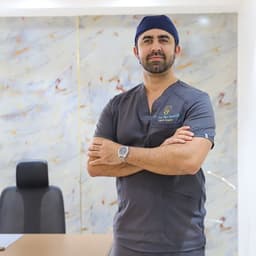
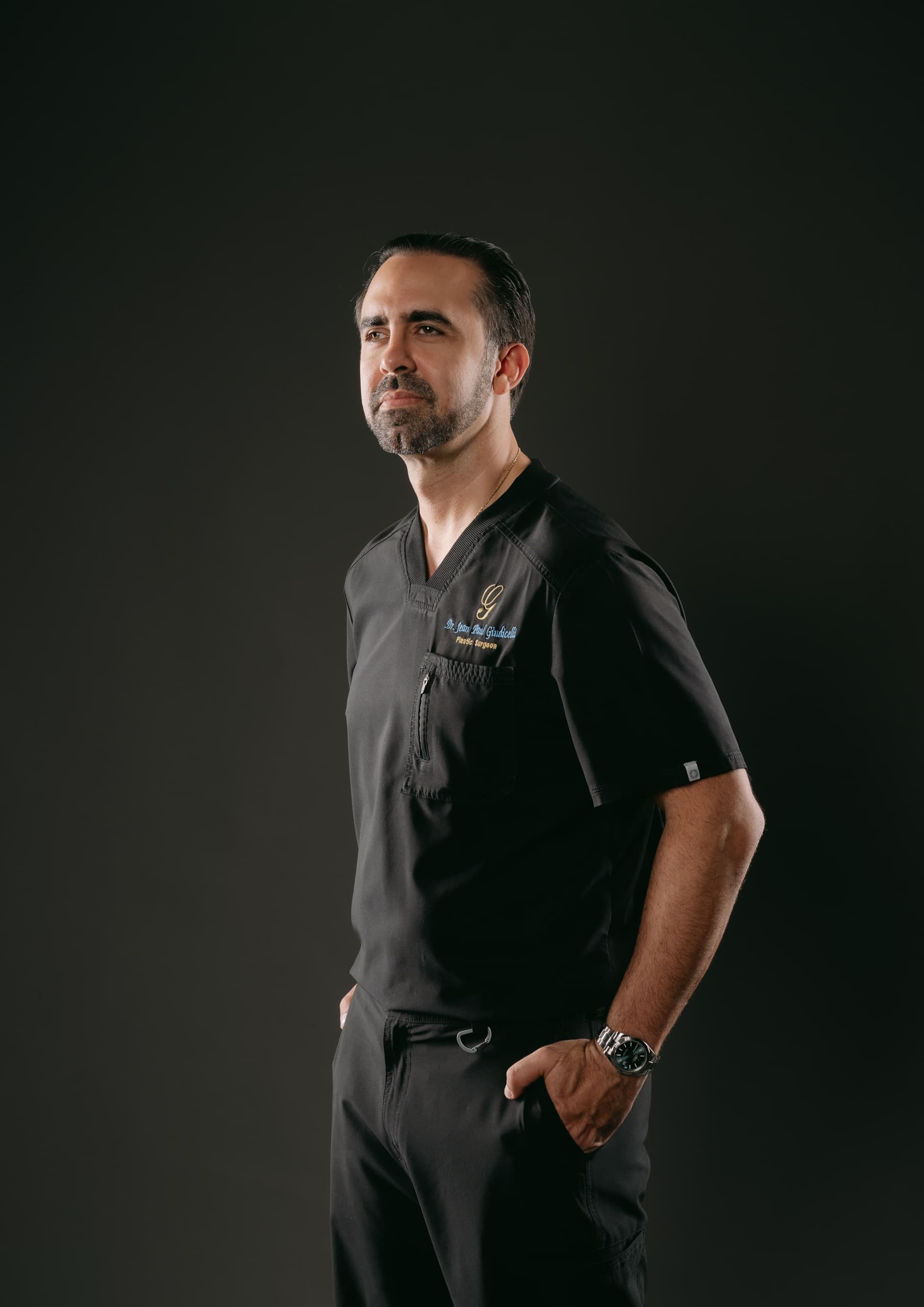
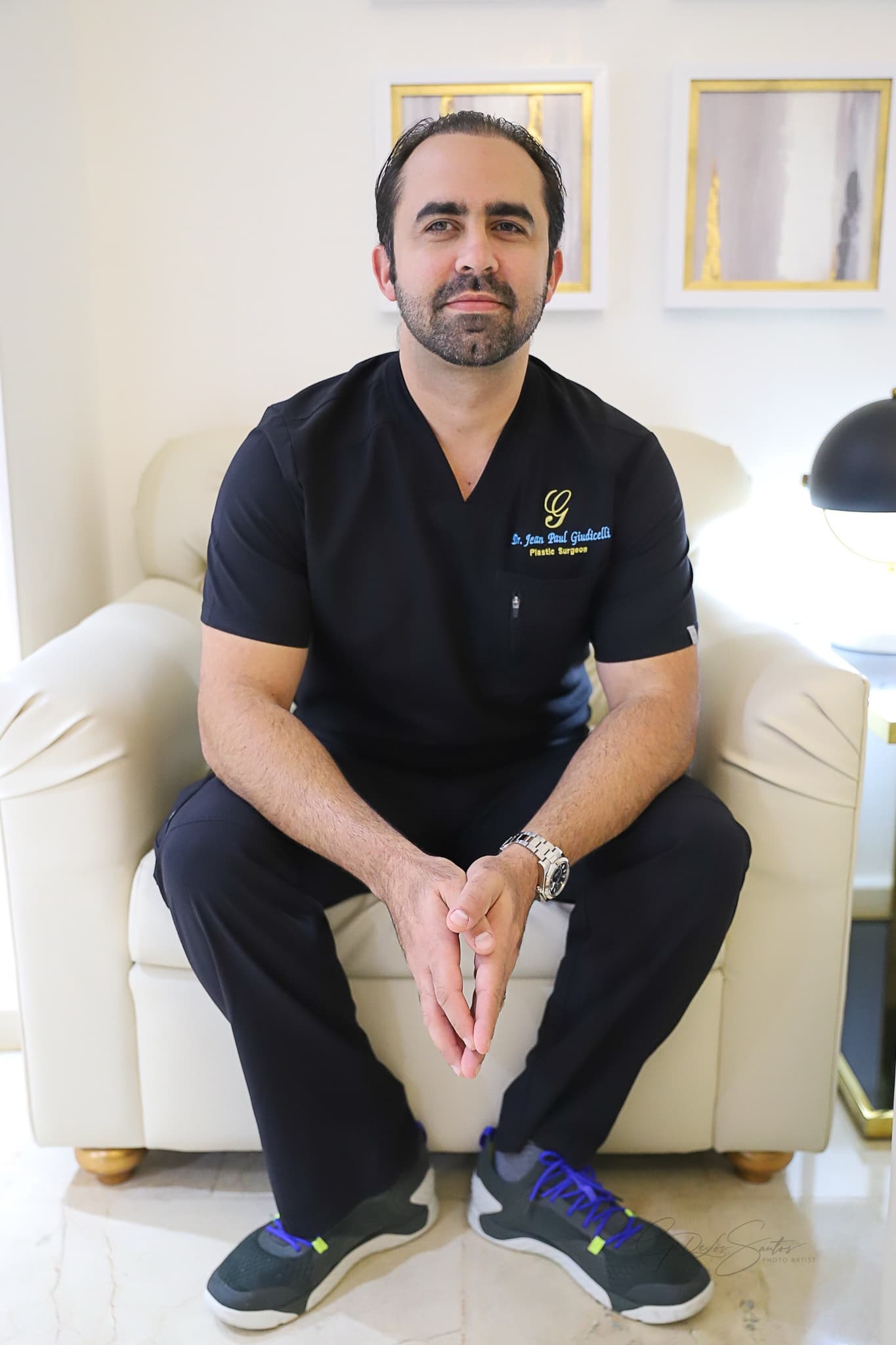
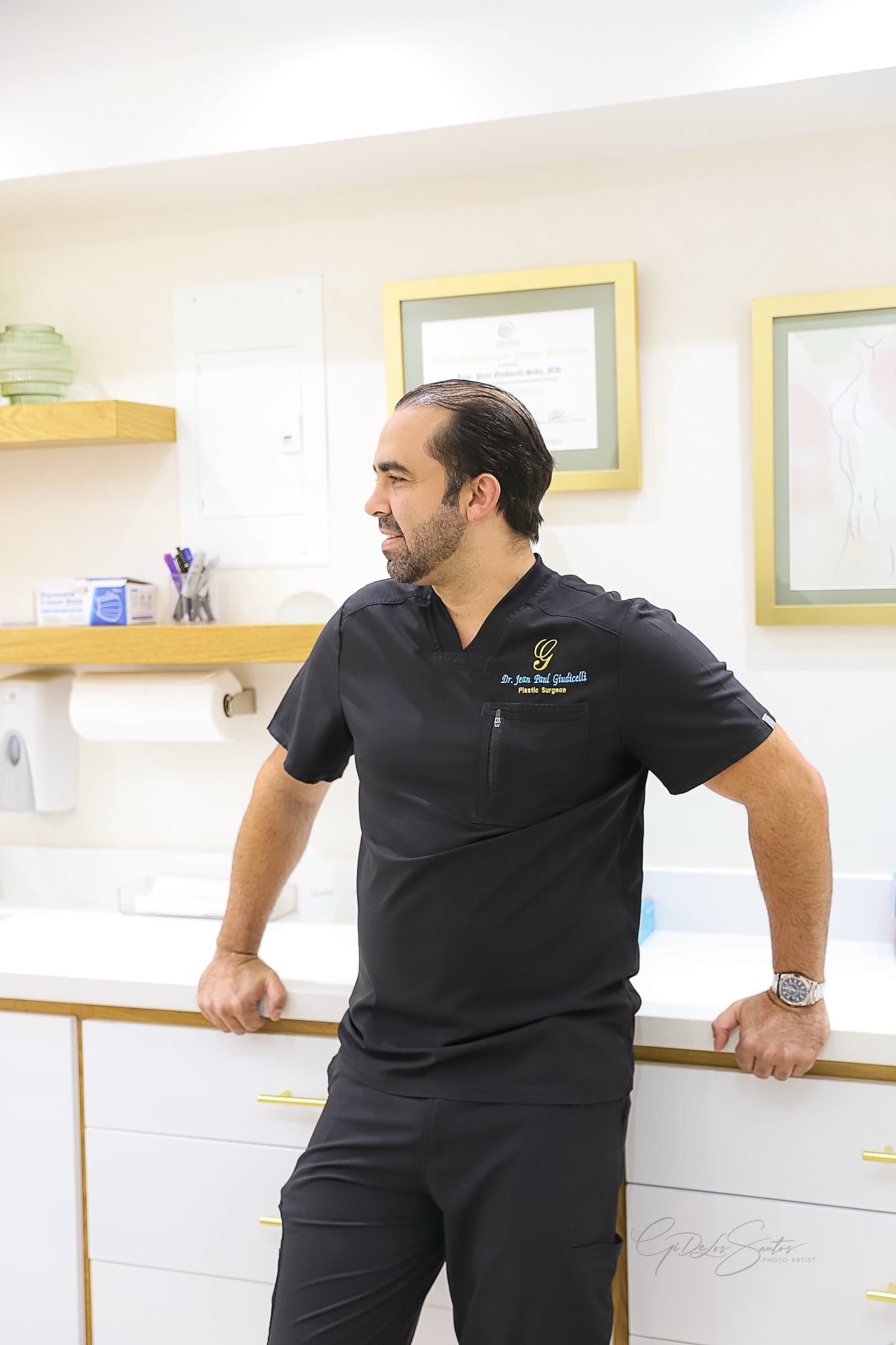
Dr. Jean Paul Giudicelli Saba, board certified plastic surgeon in Santo Domingo, explains what to verify before you book plastic surgery in the Dominican Republic, and which warning signs should make you look elsewhere.
1. Verify board certification and medical training
The first check is whether your surgeon completed a formal residency in plastic surgery, not only general surgery or a short cosmetic course. Plastic surgery residency is where surgeons learn body contouring, breast surgery, and how to manage complications safely.
In the Dominican Republic, look for surgeons who trained at recognized institutions and hold memberships in professional organizations such as:
- SODOCIPRE: Dominican Society of Plastic, Reconstructive and Aesthetic Surgery
- ASPS: American Society of Plastic Surgeons
- FILACP: Ibero-Latin American Federation of Plastic Surgery
These memberships require surgeons to meet standards of training, ethics, and continuing education. Dr. Jean Paul Giudicelli Saba completed his residency at Hospital Salvador B. Gautier under the RENACIP program and holds memberships in SODOCIPRE, ASPS, and FILACP.
How do you confirm a surgeon's credentials independently?
Confirm credentials directly with the organizations instead of relying only on a website or social media profile. Search the SODOCIPRE member directory for Dominican plastic surgeons, and use the ASPS "Find a Surgeon" tool if the surgeon claims ASPS membership.
Also ask where the surgeon completed residency and where your surgery will take place. A qualified surgeon answers these questions clearly and without hesitation.
2. Confirm where your surgery will be performed
Your surgery should take place in a properly licensed, fully equipped surgical facility, never in an improvised setting such as a hotel, a house, or an office without an operating room. The facility determines how well an unexpected situation can be handled during and after surgery.
Ask whether the facility has a dedicated operating room, monitoring equipment, a recovery area, and a clear plan for transferring a patient to a hospital if needed.
3. Ask who will administer anesthesia
Anesthesia should always be administered by a qualified anesthesiologist who reviews your health before surgery and monitors you throughout the procedure. This is one of the most important safety questions, and it is often forgotten.
A responsible practice also completes a full pre-operative evaluation, including laboratory tests and a review of your medical history. Dr. Giudicelli asks international patients to arrive in Santo Domingo 2–3 days before surgery to complete this evaluation in person.
4. Ask to see real patient results
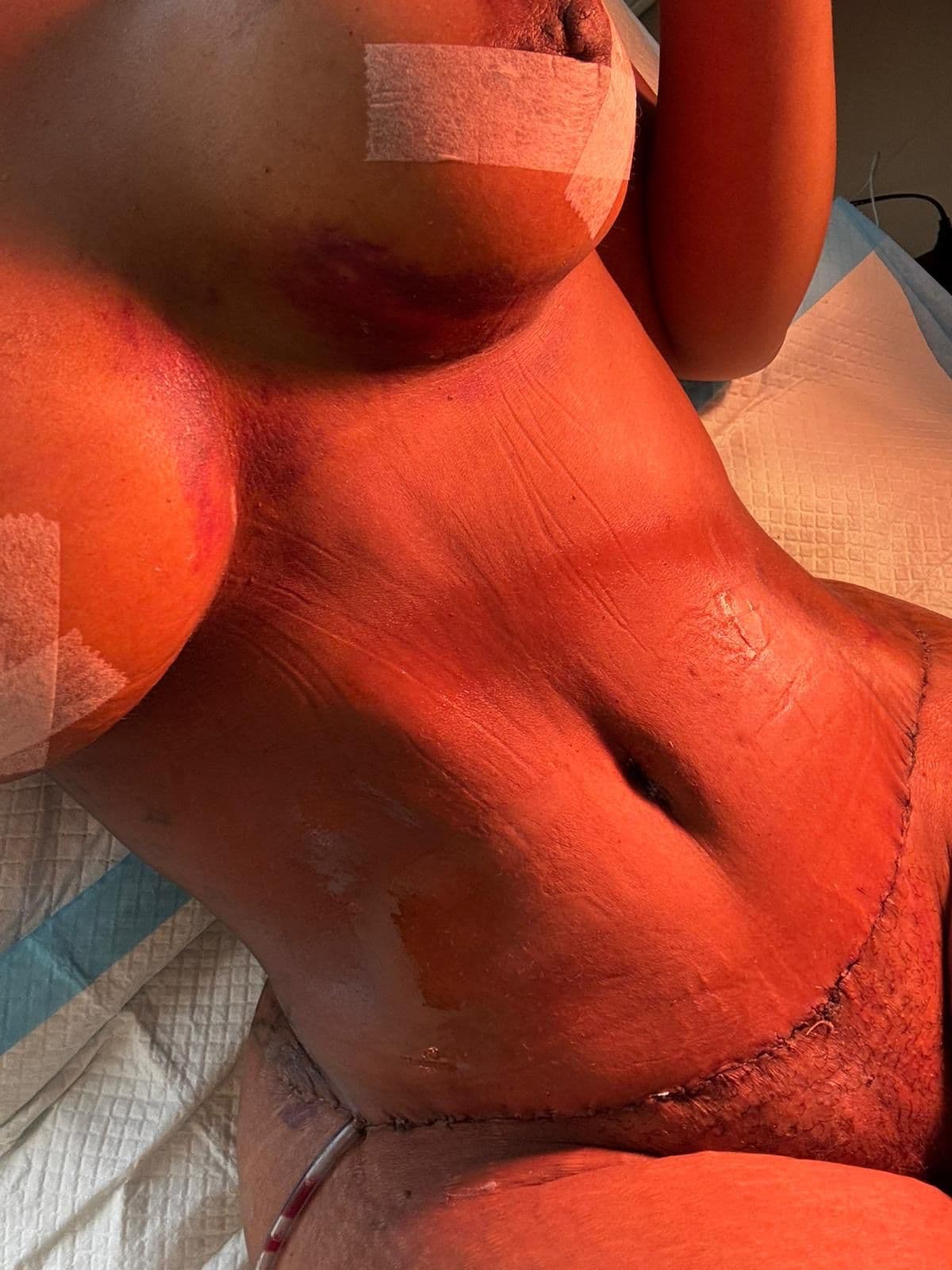
Before and after photos from real patients are one of the most reliable ways to evaluate a surgeon's style and technical skill. Look for consistency across many cases, not a few exceptional photos.
Pay attention to:
- Natural-looking results that match your aesthetic goals
- Symmetry and proportion
- Clean, well-healed scars
- Photos of patients with a body type similar to yours
If a surgeon cannot show real before and after photos, treat that as a red flag.
5. Look for a clear quote without hidden fees
A trustworthy surgeon gives you a clear, itemized quote that explains what is included, such as the surgeon's fee, anesthesia, the surgical facility, and follow-up visits during your stay. You should know exactly what you are paying for before you travel.
Be cautious with prices that are far below other qualified surgeons. Very low prices can mean shortcuts in the facility, the anesthesia team, or the follow-up care, which are the areas where you should never compromise.
6. Evaluate communication and accessibility
Your surgeon and team should be easy to reach before, during, and after your procedure. This matters even more for international patients, who continue recovering after they return home.
Look for a surgeon or team that:
- Responds promptly and answers your questions directly
- Offers a consultation with the surgeon, not only with a coordinator
- Explains the risks of your procedure honestly
- Provides remote follow-up support after you fly home
7. Read reviews from international patients
Independent reviews, such as Google reviews, show how a practice treats patients from the first message to the final result. Look specifically for reviews from patients who traveled from the United States or Canada, because their experience is closest to yours.
Read several reviews, not only the most recent ones, and notice how the practice responds to concerns. Dr. Jean Paul Giudicelli Saba maintains a 4.8-star rating on Google with over 70 verified reviews from international patients.
8. Make sure the recovery plan is realistic
A safe surgeon plans your recovery as carefully as your surgery. That includes how long you need to stay, when follow-up visits happen, and what support you will have once you are home.
Dr. Giudicelli recommends staying in Santo Domingo at least 13 days after surgery, and flying home only once he has examined you and cleared you for travel. A surgeon who encourages you to fly home after only a few days is putting convenience ahead of your safety.
9. Trust your instincts during the consultation
A good surgeon never pressures you into a procedure. The consultation should feel like a careful conversation about your goals, your health, and your options, including the option of not having surgery at all.
If something feels rushed, unclear, or too good to be true, take more time or seek a second opinion. For a complete list of questions, see the 10 questions to ask before booking plastic surgery abroad.
What are the red flags when choosing a surgeon?
Certain warning signs suggest that a practice is putting sales ahead of safety. Be cautious if you notice any of the following:
- Pressure to pay a deposit or book immediately
- No consultation with the surgeon before surgery
- No questions about your medical history, medications, or smoking
- Promises of guaranteed results or recovery without discomfort
- Plans to combine many procedures without discussing the added risk
- Vague answers about the facility or the anesthesia team
You can learn more about overall safety in the article Is plastic surgery in the Dominican Republic safe?
Frequently Asked Questions
How do I know if a plastic surgeon in the Dominican Republic is certified?
Check the SODOCIPRE member directory and verify any international membership directly with that organization, such as the ASPS "Find a Surgeon" tool. Ask where the surgeon completed a plastic surgery residency.
Should my surgery be performed in a hospital or a clinic?
Your surgery should be performed in a properly licensed, fully equipped surgical facility with an operating room, monitoring equipment, and a qualified anesthesia team. Avoid any setting that is not designed for surgery.
Is the cheapest surgeon a bad choice?
A lower price is not automatically unsafe, but a price far below other qualified surgeons is a warning sign. Compare what each quote includes, especially the facility, anesthesia, and follow-up care.
Can I meet the surgeon before traveling?
Yes. A free virtual consultation with Dr. Giudicelli lets you discuss your goals, medical history, and options before you book any travel.
Ready to take the next step?
Dr. Jean Paul Giudicelli Saba is a board certified plastic surgeon in Santo Domingo, Dominican Republic, specializing in body contouring and breast surgery for international patients. During your consultation, he will review your goals and explain your options honestly.
Schedule your free virtual consultation today. Contact us via WhatsApp or visit drgiudicelli.com.