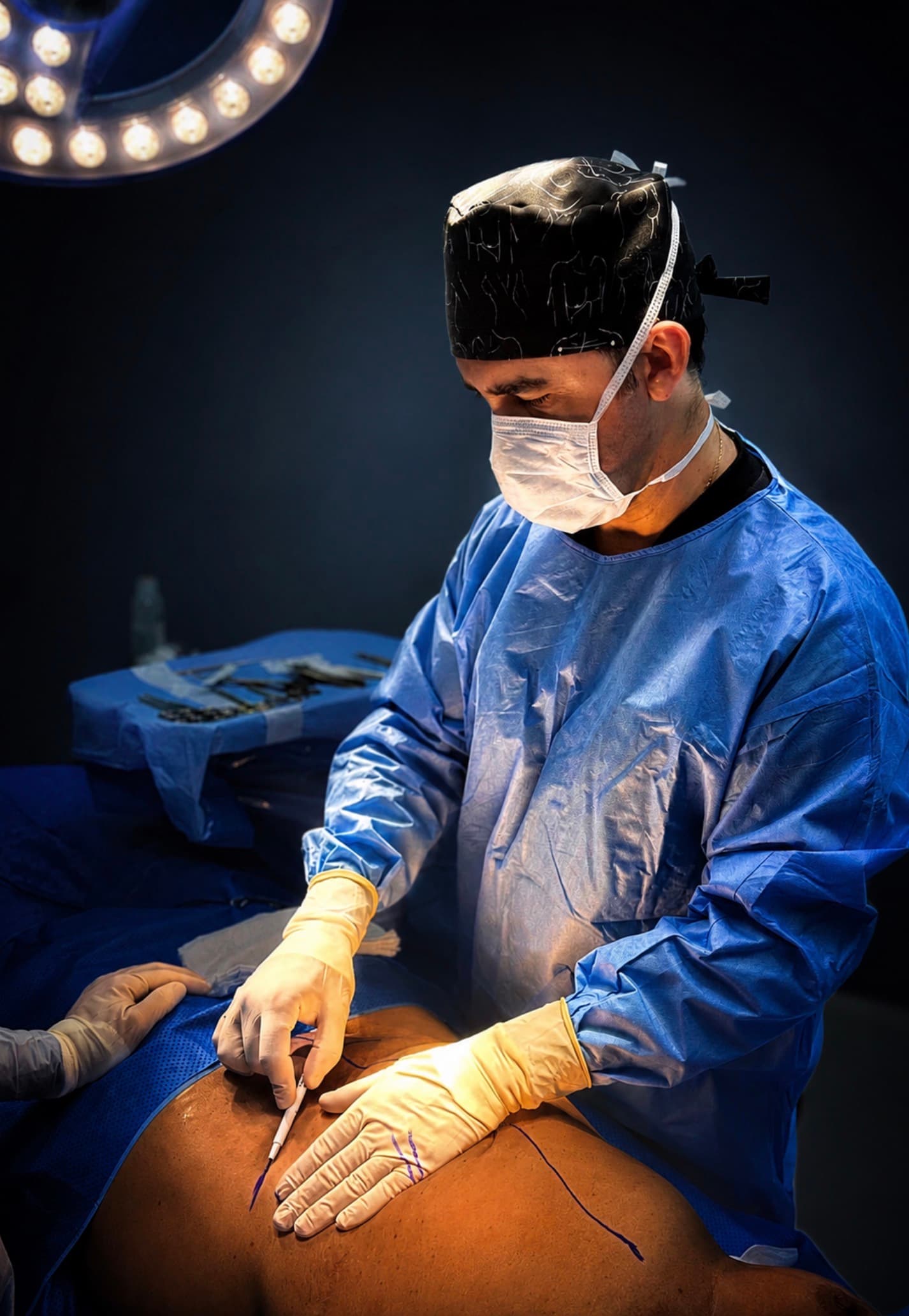
Plastic surgery in the Dominican Republic can be safe when it is performed by a board certified plastic surgeon, in a properly equipped facility, with a careful evaluation before surgery and follow-up after it. The risk usually comes from the choices around the surgery, not from the country itself.
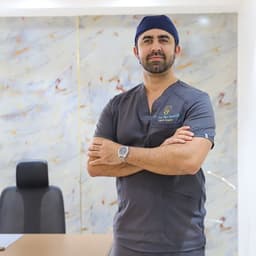
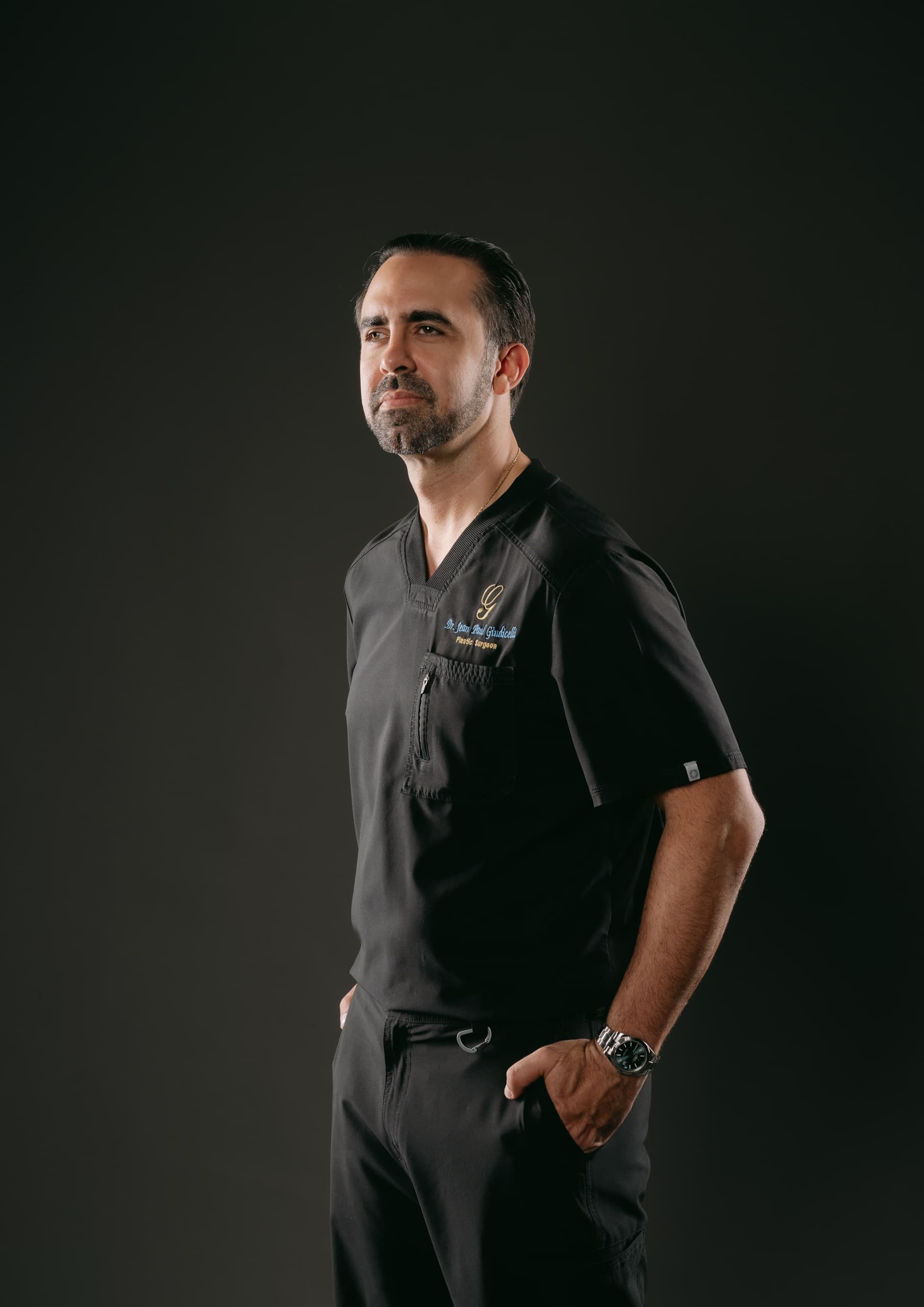
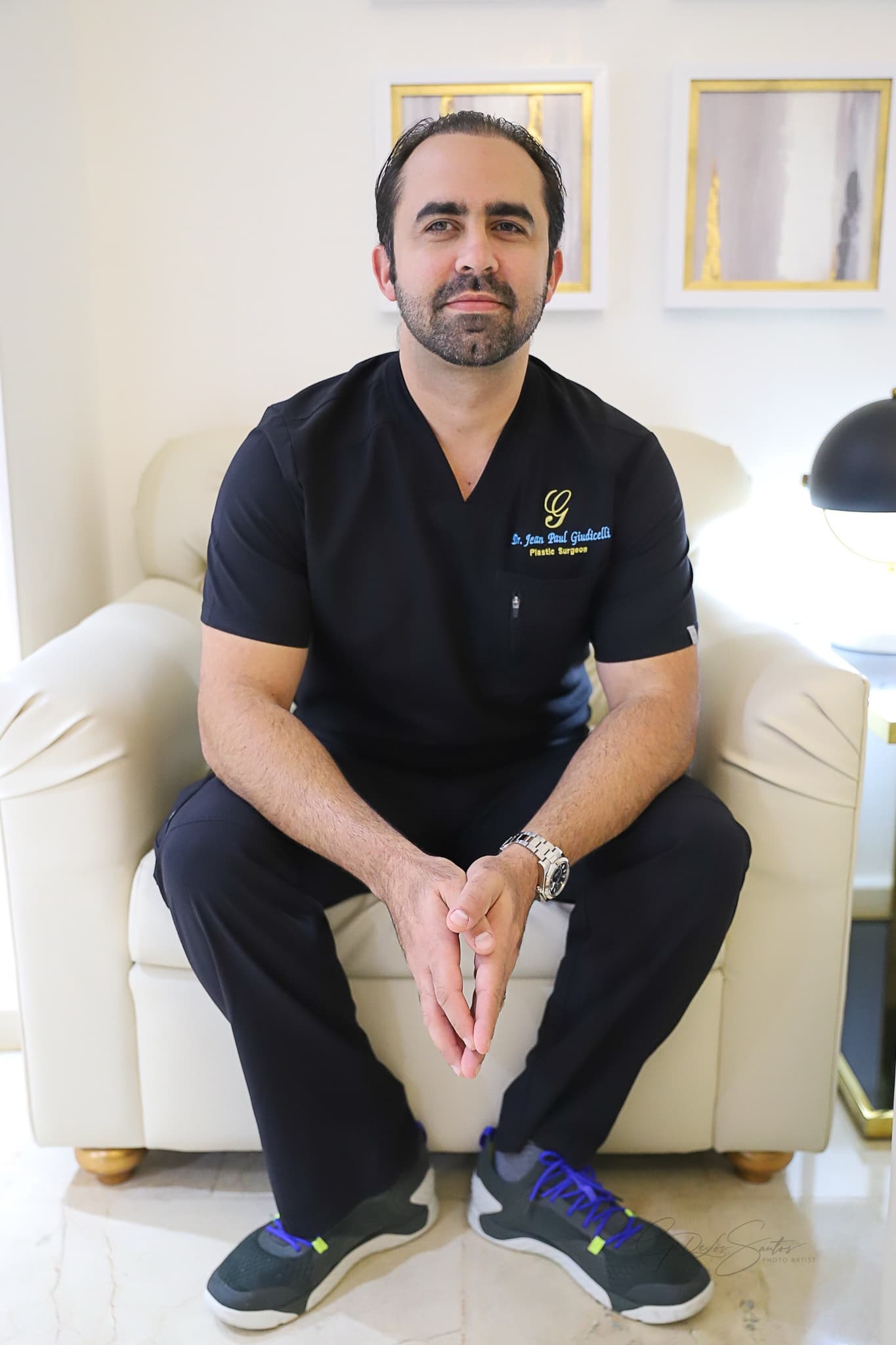
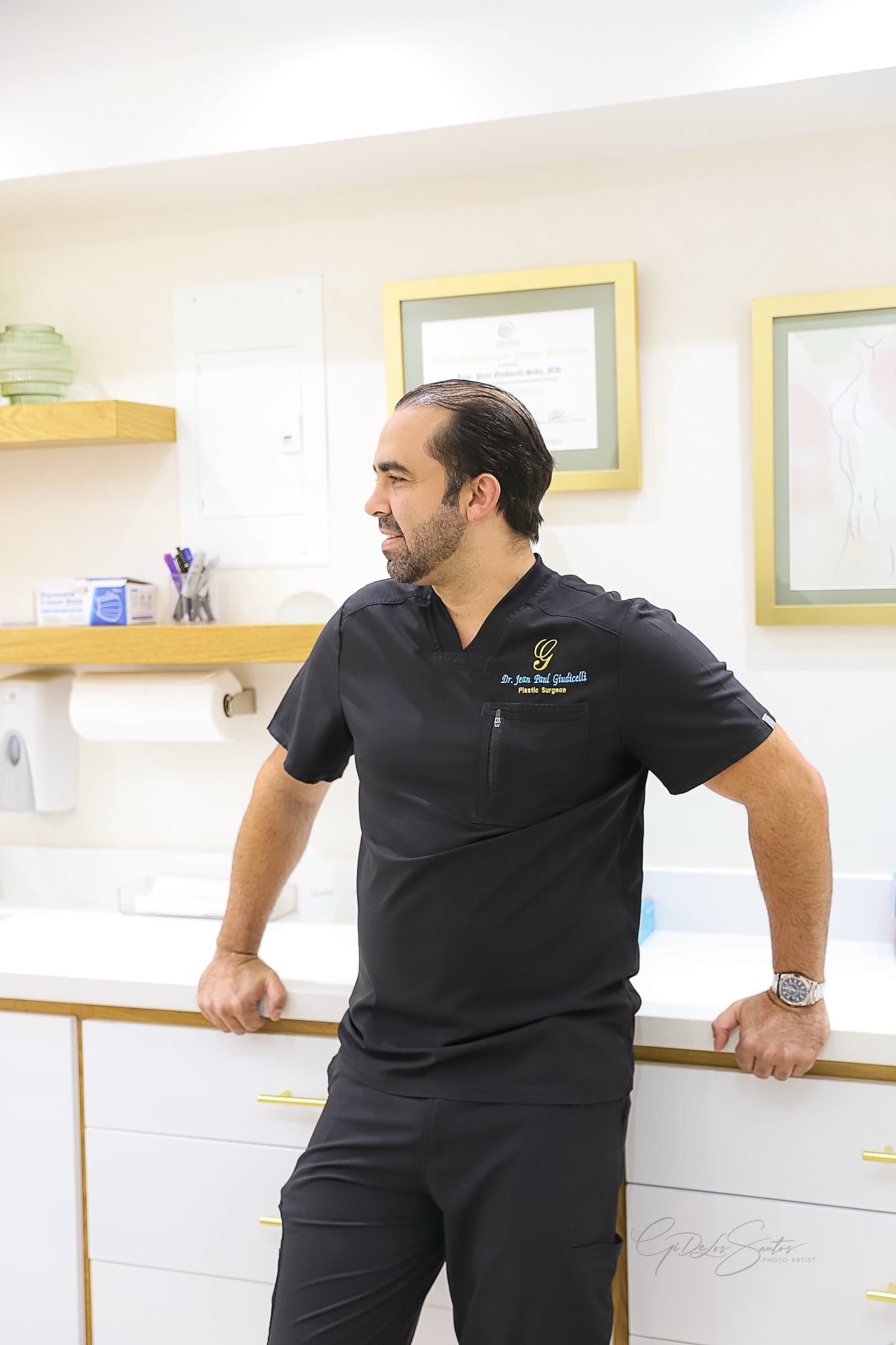
Dr. Jean Paul Giudicelli Saba, board certified plastic surgeon in Santo Domingo, explains what makes plastic surgery in the Dominican Republic safer, what to verify before you book, and which warning signs should make you walk away.
Is plastic surgery in the Dominican Republic safe?
Plastic surgery in the Dominican Republic is as safe as the surgeon, the facility, and the plan behind it. The Dominican Republic has trained plastic surgeons, and many international patients have surgery in Santo Domingo every year, but quality varies from one practice to another.
Every surgery carries risk, wherever it takes place. Patients lower that risk by choosing a qualified surgeon, being honest about their health, following instructions before and after surgery, and allowing enough time to recover before traveling home.
What makes a plastic surgeon qualified?
A qualified plastic surgeon has completed formal training in plastic surgery and belongs to recognized professional societies. In the Dominican Republic, the national society of plastic surgeons is SODOCIPRE, the Dominican Society of Plastic, Reconstructive and Aesthetic Surgery.
International memberships add another layer of accountability. Dr. Jean Paul Giudicelli Saba completed his plastic surgery residency at Hospital Salvador B. Gautier through the RENACIP program and is a member of SODOCIPRE, the American Society of Plastic Surgeons (ASPS), and FILACP, the Ibero-Latin American Federation of Plastic Surgery.
How do you verify a surgeon's credentials?
Verify a surgeon's credentials directly with the organizations, not only on the surgeon's own website or social media. A few minutes of research can prevent a serious mistake.
- Check the SODOCIPRE member directory for Dominican plastic surgeons.
- Search the surgeon's name in the ASPS "Find a Surgeon" tool if they claim ASPS membership.
- Read reviews on independent platforms such as Google, not only testimonials chosen by the practice.
- Ask where the surgeon trained and where your surgery will take place.
The article on how to choose a safe plastic surgeon in the Dominican Republic covers this process step by step.
Why does the pre-operative evaluation matter?
The pre-operative evaluation is one of the most important safety steps, because it confirms that your body is ready for surgery. It includes your medical history, laboratory tests, and a review of any condition or medication that could affect anesthesia or healing.
A responsible surgeon will postpone or change a surgical plan when test results or your health history call for it. Being honest about smoking, previous surgeries, medications, and supplements protects you. Dr. Giudicelli asks international patients to arrive in Santo Domingo two to three days before surgery to complete this evaluation in person.
What role does anesthesia play in safety?
Anesthesia is a central part of surgical safety, and it should always be managed by a qualified anesthesiologist. The anesthesiologist reviews your health before surgery, monitors you throughout the procedure, and supports your early recovery.
Ask who will administer anesthesia and what monitoring is used during and after surgery. Surgery should take place in a facility equipped for your procedure and for managing unexpected situations, never in an improvised setting.
Why does the length of the procedure matter?
Longer surgeries and multiple procedures combined in one session can increase risk, especially the risk of blood clots. A good surgical plan balances your goals with what is safe for your body in a single operation.
Sometimes the safest option is to stage procedures on different dates. A surgeon who is willing to say "not all at once" is putting your safety first.
How does travel affect your safety after surgery?
Travel adds specific risks after surgery, because long periods of sitting on a plane increase the risk of blood clots, and flying too soon takes you away from your surgeon before you are stable. That is why the timing of your flight home is a medical decision.
Plan a stay that matches your procedure, book a flexible return flight, and fly only after your surgeon clears you. During the flight, walk the aisle regularly, stay hydrated, avoid alcohol, and wear your compression garment as instructed.
What are the red flags to watch for?
Certain warning signs suggest that a practice is putting sales ahead of safety. Be cautious if you notice any of the following:
- Prices far below what other qualified surgeons quote
- Pressure to pay a deposit or book quickly
- No consultation with the surgeon, only with a coordinator
- No questions about your medical history or current health
- Promises of guaranteed results or recovery without discomfort
- Plans to combine many procedures without discussing the added risk
- No clear follow-up plan after you return home
If something feels rushed or unclear, take more time. A trustworthy practice will answer your questions without pressure. For a list of what to ask, see the 10 questions to ask before booking plastic surgery abroad.
What happens after you return home?
Recovery continues for weeks after you return home, so follow-up care should not end at the airport. Before surgery, confirm how you will communicate with your surgeon's team and what to do if a concern appears.
Dr. Giudicelli and his team stay in contact with patients via WhatsApp throughout recovery. It also helps to identify a local doctor or urgent care center near your home in case you need to be seen in person.
Frequently Asked Questions
Is it safe to travel to the Dominican Republic for plastic surgery?
Traveling to the Dominican Republic for plastic surgery can be safe when you choose a qualified surgeon, complete a full pre-operative evaluation, and stay long enough to be cleared before flying. Planning and honest communication with your surgeon make the biggest difference.
How can I check if a Dominican plastic surgeon is certified?
Check the SODOCIPRE member directory and, if the surgeon claims international memberships, verify them directly with those organizations, such as the ASPS "Find a Surgeon" tool. Independent reviews and a video consultation with the surgeon add further confidence.
What are the most important risks of plastic surgery abroad?
The most important risks include blood clots, infection, fluid collections, and problems related to anesthesia, which can occur with any surgery. Traveling too soon and inadequate follow-up can make these risks harder to manage.
Is a cheaper surgeon less safe?
A lower price is not automatically unsafe, but a price far below other qualified surgeons is a warning sign. It may reflect shortcuts in the facility, anesthesia, or follow-up care, which are the areas where you should never compromise.
Planning your procedure safely
A safe experience starts with the right information. During your consultation, Dr. Giudicelli will review your health history, discuss your goals honestly, and explain the plan for your surgery, your stay in Santo Domingo, and your recovery at home.
Schedule your free virtual consultation today. Contact us via WhatsApp or visit drgiudicelli.com.