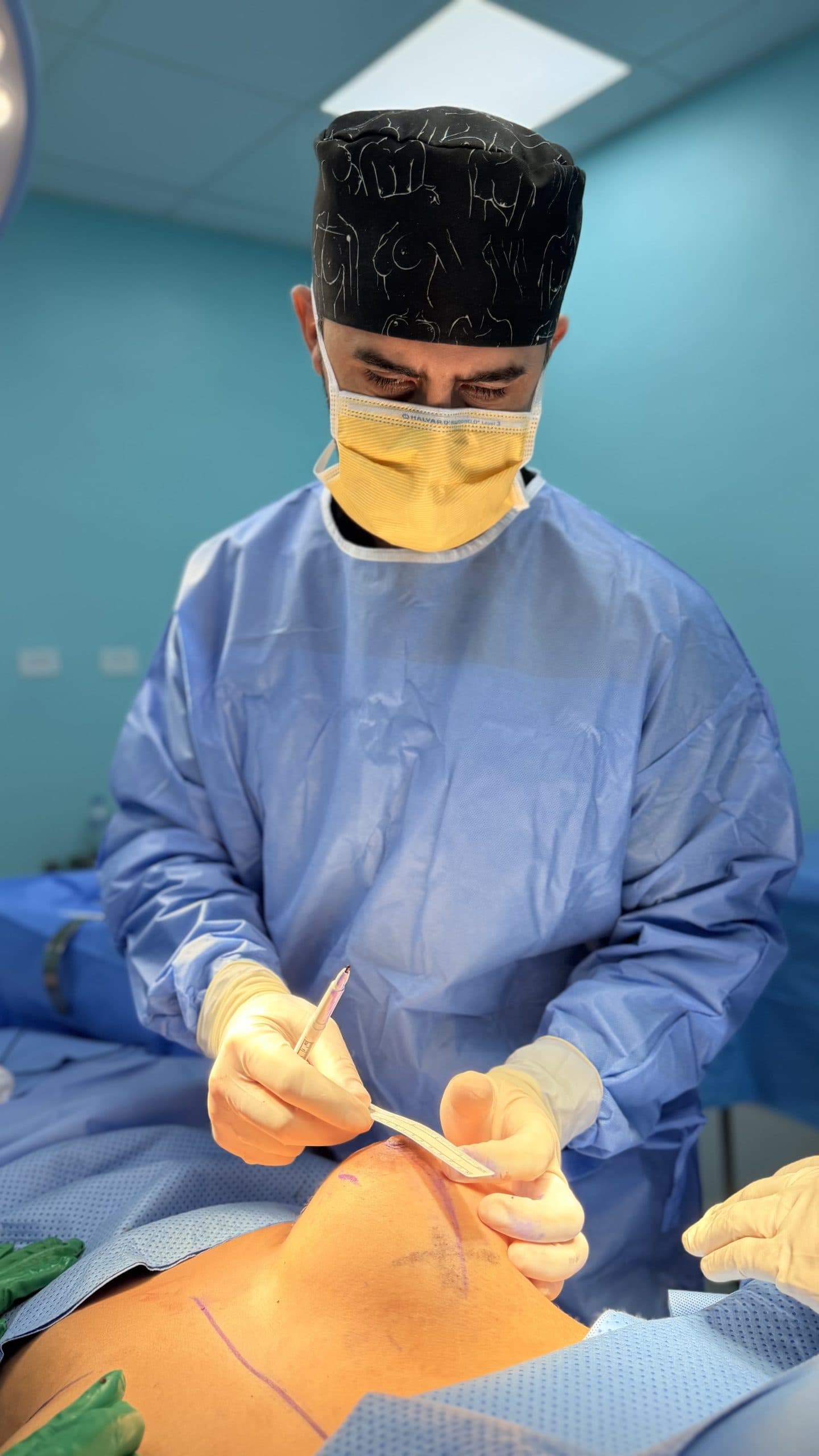
One of the most common questions women ask during their breast augmentation consultation is: should I get silicone or saline implants? It's an important decision — and the right answer depends on your anatomy, your goals, and your lifestyle.
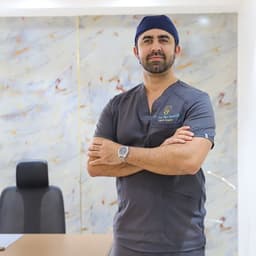
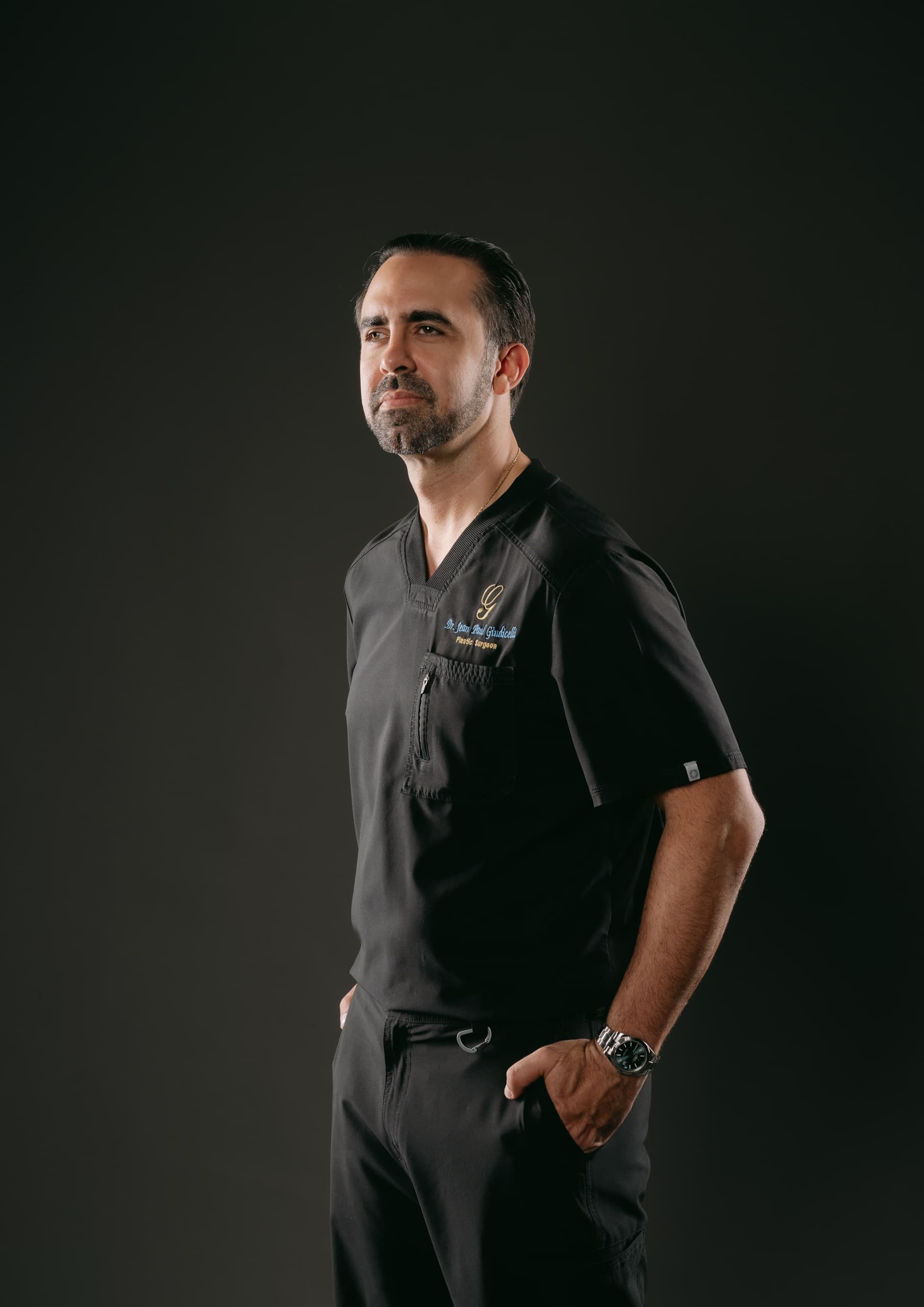
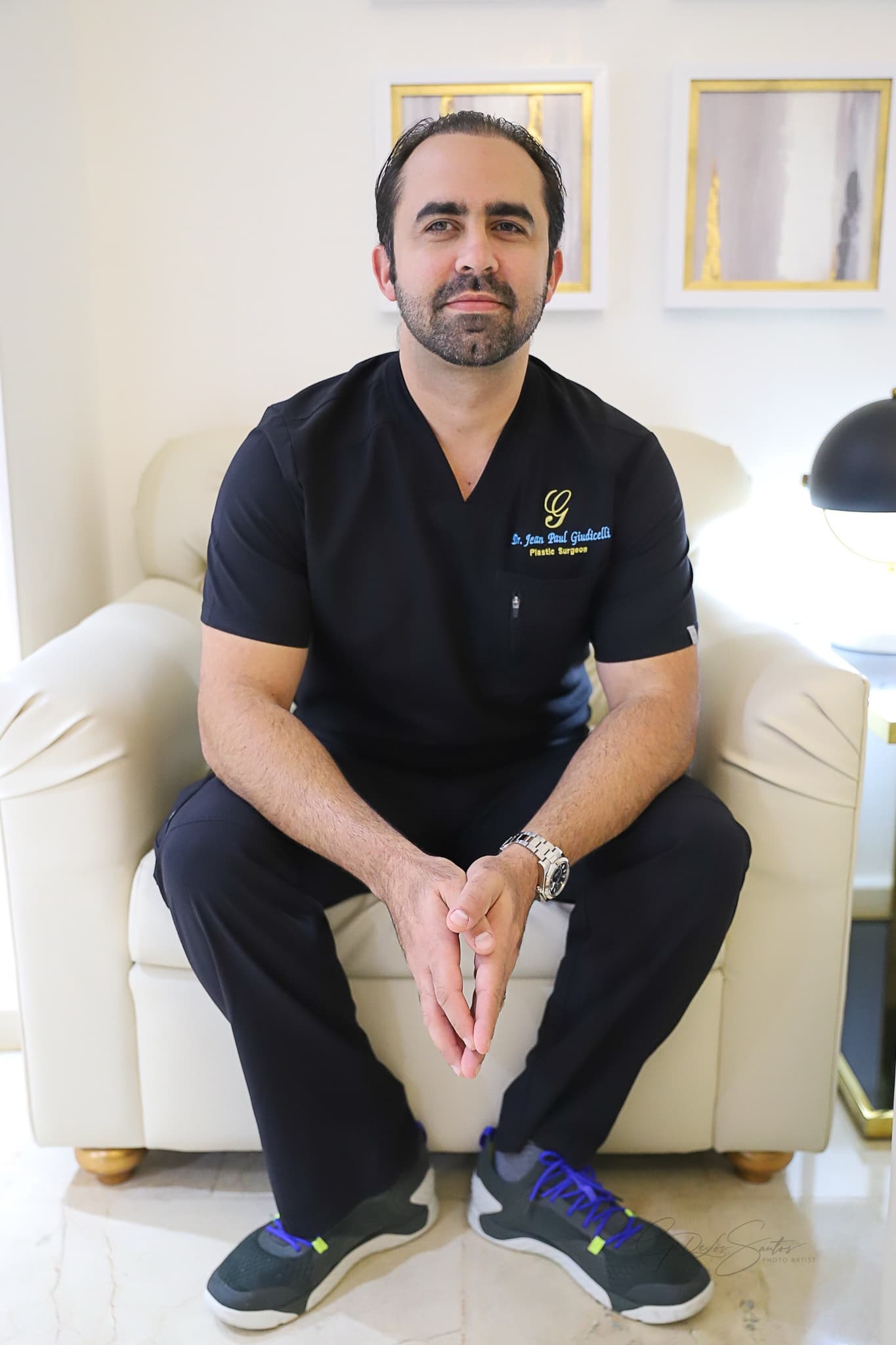
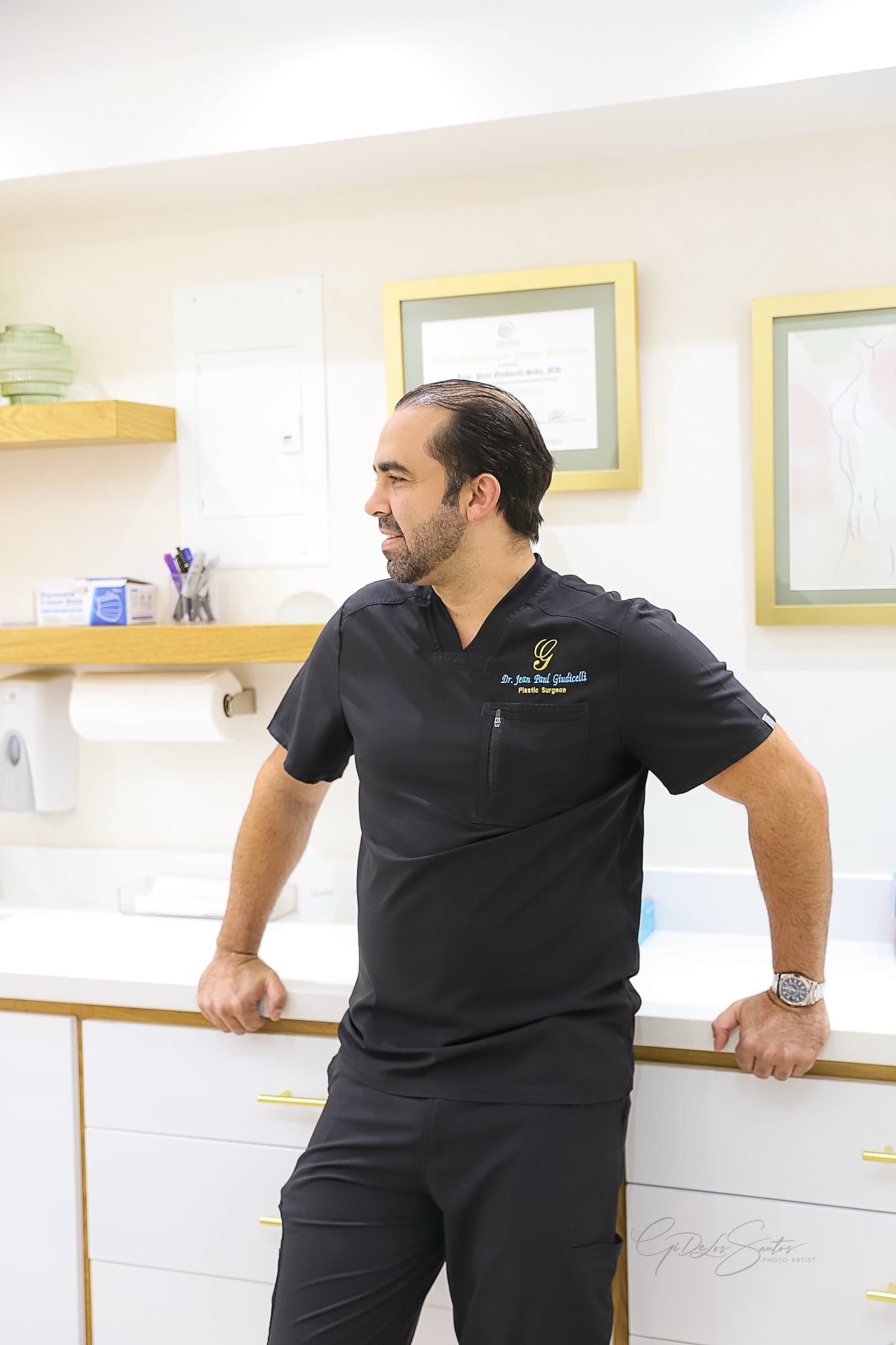
Dr. Jean Paul Giudicelli Saba, board-certified plastic surgeon in Santo Domingo, Dominican Republic, breaks down everything you need to know.
What Are Silicone Implants?
Silicone implants are filled with a cohesive silicone gel that closely mimics the feel and movement of natural breast tissue. They are the most widely used implants worldwide and are considered the gold standard in modern breast augmentation.
Silicone implants are pre-filled before surgery and come in a variety of shapes, profiles, and sizes to suit different body types and aesthetic goals.
What Are Saline Implants?
Saline implants consist of a silicone shell that is filled with sterile salt water after being placed in the breast. Because they are filled during surgery, the incision required is slightly smaller than with silicone implants.
Saline implants have been used successfully for decades and remain a safe, reliable option for the right candidate.
Silicone vs. Saline — The Key Differences
- Feel: Silicone implants feel softer and more natural — closer to real breast tissue. Saline implants can feel firmer, especially in patients with less natural breast tissue to cover the implant.
- Appearance: Silicone implants tend to produce a more natural-looking result, especially in thinner patients. Saline implants can occasionally show visible rippling or wrinkling under the skin.
- Rupture detection: If a saline implant ruptures, it deflates quickly and visibly — making detection easy. If a silicone implant ruptures, the gel tends to stay in place and the change may not be immediately visible — an MRI may be needed to detect it.
- Incision size: Saline implants require a slightly smaller incision since they are filled after placement. Silicone implants are pre-filled and require a slightly larger incision.
- Age requirement: Saline implants are FDA-approved for patients 18 and older. Silicone implants are FDA-approved for patients 22 and older.
- Cost: Silicone implants are generally more expensive than saline due to the more advanced material and manufacturing process.
Which One Looks and Feels More Natural?
For most patients — especially those with less natural breast tissue — silicone implants produce a more natural look and feel. The cohesive gel moves more like natural tissue and is less likely to show rippling or visible edges under the skin.
That said, patients with more natural breast tissue to cover the implant can achieve excellent, natural-looking results with either type.
Who Is a Better Candidate for Silicone Implants?
- Patients who want the most natural look and feel
- Patients with less natural breast tissue
- Patients who are at least 22 years old
- Patients who prefer a softer result
- Patients considering anatomical (teardrop) shaped implants
Who Is a Better Candidate for Saline Implants?
- Patients between 18-21 years old
- Patients who prefer the ability to detect a rupture immediately
- Patients with sufficient natural breast tissue to minimize rippling
- Patients seeking a more budget-friendly option
What About Implant Shape and Profile?
Beyond the fill material, two other important decisions are shape and profile:
- Round implants: Add fullness in both the upper and lower pole of the breast. The most commonly chosen shape for augmentation.
- Anatomical (teardrop) implants: Shaped to mimic the natural slope of the breast — more fullness at the bottom, tapering toward the top. Often chosen for a more subtle, natural result.
- Profile: Refers to how much the implant projects forward from the chest wall. Low, moderate, high, and ultra-high profiles are available — the right choice depends on your chest width and desired projection.
Dr. Giudicelli will evaluate your anatomy, chest dimensions, and aesthetic goals during your consultation to recommend the optimal combination of fill, shape, and profile for your specific case.
Are Silicone Implants Safe?
Yes. Silicone implants have been extensively studied and are approved by the FDA and major international regulatory bodies. Decades of clinical data confirm their safety and effectiveness when used by board-certified surgeons in accredited facilities.
Dr. Giudicelli uses only premium, internationally certified implants from trusted manufacturers for all breast augmentation procedures.
How Long Do Implants Last?
Modern implants are not considered lifetime devices, but they are designed to last many years — often 10-20 years or more. Some patients never require replacement. Others may choose to change size or style over time, or replace an implant if a rupture occurs.
During your consultation, Dr. Giudicelli will discuss the expected longevity of your implants and what to monitor over time.
Breast Augmentation in the Dominican Republic with Dr. Giudicelli
International patients from the USA and Canada choose Dr. Jean Paul Giudicelli Saba for breast augmentation because they receive world-class surgical care at a fraction of the cost — without compromising on safety, implant quality, or results.
- Board-certified plastic surgeon — Member of ASPS, SODOCIPRE & FILACP
- Residency at Hospital Salvador B. Gautier — RENACIP program
- 4.8-star Google rating with 66+ verified patient reviews
- Free virtual consultation for international patients
- Remote post-operative support via WhatsApp
Frequently Asked Questions
Which implants are more popular — silicone or saline?
Silicone implants are significantly more popular worldwide. The majority of breast augmentation procedures performed globally use silicone implants due to their more natural look and feel.
Can I switch from saline to silicone implants later?
Yes. Implant exchange surgery is a straightforward procedure that allows patients to change implant type, size, or shape. Dr. Giudicelli can discuss revision options during your consultation.
Will I be able to breastfeed after breast augmentation?
Most patients can breastfeed after breast augmentation. The ability to breastfeed depends on the incision location and implant placement. Dr. Giudicelli will discuss this in detail during your consultation if it is a concern.
Do breast implants affect mammograms?
Implants can make mammograms slightly more complex to interpret. Inform your radiologist that you have implants — they will use specialized techniques to ensure accurate imaging.
How much does breast augmentation cost in the Dominican Republic?
Breast augmentation in the Dominican Republic with Dr. Giudicelli is significantly more affordable than in the United States or Canada. Contact us for a personalized quote during your free virtual consultation.
Ready to Find Out Which Implant Is Right for You?
The best way to determine whether silicone or saline implants are right for your body is through a personalized consultation with Dr. Jean Paul Giudicelli Saba.
Schedule your free virtual consultation today. Contact us via WhatsApp or visit drgiudicelli.com.